
















The African Continental Free Trade Area (AfCFTA) Secretariat is advancing efforts to strengthen customs administrations, harmonise border procedures and connect digital systems across African countries to facilitate faster, more predictable and efficient intra-African trade.
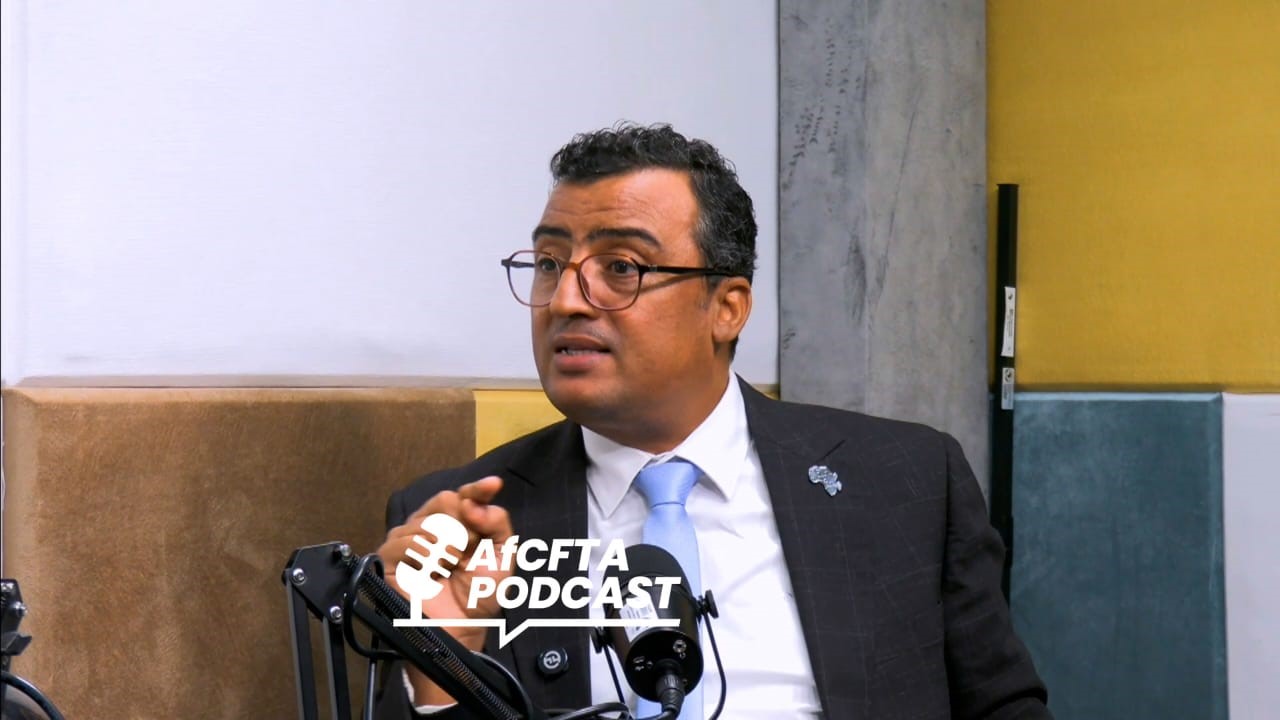
Mr. Chawki Jabbali, Head of Customs Capacity Building and Training at the AfCFTA Secretariat, outlined these priorities during an episode of the AfCFTA Podcast on “Building Customs Capacity. Enabling African Trade.”
According to Mr. Jabbali, the successful implementation of the AfCFTA depends not only on agreements negotiated by governments but also on the ability of customs officers to understand and consistently apply their provisions at border crossings.
A major focus of the Secretariat’s work is developing standardised customs training programmes through partnerships with African customs schools and training institutions.
The initiative seeks to strengthen home-grown expertise and ensure that customs officials across participating countries interpret the AfCFTA’s provisions consistently.
Under this approach, customs officers trained in different African countries would develop a common understanding of rules of origin, preferential tariff treatment and customs procedures, reducing the risk of inconsistent decisions that could delay shipments or prevent eligible goods from benefiting from the Agreement.
Connecting Africa’s customs systems
Mr. Jabbali also emphasised the importance of digital integration, explaining that although several African countries have introduced electronic customs systems, many remain unable to exchange information efficiently with neighbouring administrations.
The Secretariat is consequently working towards continental digital solutions, including an electronic certificate of origin platform designed to connect national customs systems and facilitate the verification of goods eligible for AfCFTA trade preferences.
Efforts are also being directed towards digital transit procedures, drawing on existing regional mechanisms and cooperation with the World Customs Organization to promote compatible technical standards.
These interventions are intended to reduce paperwork, strengthen transparency and improve the movement of goods across borders.
Making trade easier for African businesses
For businesses, particularly micro, small and medium-sized enterprises, more efficient customs administration could mean fewer delays, lower transaction costs and greater certainty when exporting products to neighbouring African markets.
Mr. Jabbali acknowledged that the modernisation process faces challenges, including limited financing and concerns among some customs personnel about the implications of automation.
He nevertheless underscored the importance of strengthening institutional capacity and building on existing African expertise rather than relying exclusively on external technical assistance.
The broader ambition is to translate the AfCFTA’s legal commitments into practical improvements that businesses and traders can experience at border crossings.
As implementation advances, the effectiveness of customs cooperation, digital connectivity and professional training will remain central to achieving the Agreement’s objective of creating a more integrated and competitive African market.
Ultimately, Africa’s continental free trade ambitions will be measured not only by the removal of tariffs, but also by how efficiently goods move from one African country to another.