















Democratic lawmakers in the United States are investigating whether President Donald Trump’s administration improperly approved Nvidia’s sale of advanced artificial intelligence chips to China in an arrangement that may have involved political donations and questionable business connections.
The inquiry is focusing on the Commerce Department’s handling of export licences for Nvidia’s H200 chips, as well as allegations that the administration overlooked potential national security concerns involving one of the company’s customers.
The investigation is being led by Representative Richard Neal, the top Democrat on the House Ways and Means Committee, and Senator Ron Wyden, the leading Democrat on the Senate Finance Committee.
In a letter to Commerce Secretary Howard Lutnick, the lawmakers demanded that the department preserve all records relating to the export arrangement, describing the deal as questionable and potentially illegal.
According to the letter, Trump agreed to allow Nvidia to export its H200 chips to China on the condition that the products, manufactured in Taiwan, would first be shipped to the United States.
The administration subsequently imposed a tariff on the chips before the Commerce Department issued an export licence, an arrangement the lawmakers want explained.
The deal is also being examined against the backdrop of an August 2025 agreement under which Nvidia and AMD reportedly agreed to pay the US government 15 per cent of their revenue from chip sales to China in exchange for export licences.
Beyond the export arrangement, the Democrats are seeking explanations about Singapore-based Megaspeed, an Nvidia customer suspected by US officials of helping channel advanced chips into China.
The company has attracted attention over allegations involving its executive, Alice Huang, who has reportedly been accused of being a Chinese intelligence operative.
The lawmakers questioned why the Commerce Department continued approving Megaspeed’s purchases despite reported intelligence concerns surrounding the company and its executive.
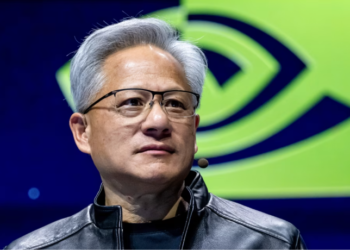
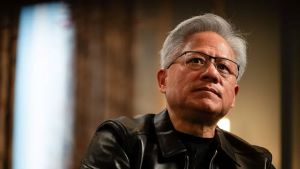
They also raised questions about reported personal connections between Alice Huang and Nvidia founder Jensen Huang, including allegations of an extramarital relationship, and whether such matters influenced the administration’s dealings with the chipmaker.
Another major focus of the inquiry is Nvidia’s reported US$26 million contribution towards projects associated with Trump, including a proposed White House ballroom.
The lawmakers want to establish whether the timing of the reported donation had any connection to the administration’s decision to approve the chip exports.
The Democratic inquiry is unfolding alongside a separate investigation by Republican-led congressional committees examining Nvidia’s dealings with China and the Trump administration.
The Republican-led committees, which focus on China, foreign affairs and intelligence, had demanded that Jensen Huang testify behind closed doors, threatening to subpoena him if he refused.
He agreed to appear on Thursday, November 12.
The developments also come amid reports that Jensen Huang has stepped down as Nvidia chief executive, with Chief Financial Officer Colette Kress appointed interim CEO.
However, the Democratic lawmakers face limitations in pursuing their investigation because they are in the congressional minority and cannot compel the administration to provide documents or explanations.
Their inquiry nevertheless adds to growing scrutiny of the Trump administration’s technology export policies and its relationship with one of the world’s most influential artificial intelligence chipmakers.