
















The Public Utilities Regulatory Commission (PURC) has warned that illegal mining activities along the Tano River could worsen water shortages in the Bono Region if urgent measures are not taken to contain the pollution.
The Commission says rising contamination of the river is already making water treatment increasingly challenging, with the potential to increase production costs and undermine Ghana Water Limited’s ability to supply adequate potable water to consumers.
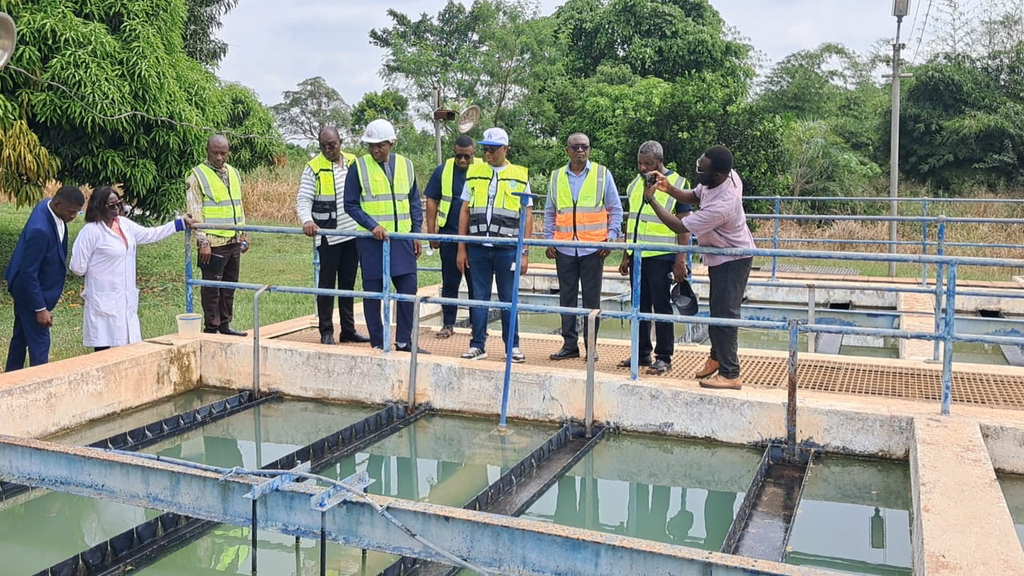
PURC Executive Secretary, Dr Shafic Suleman, raised the alarm following an inspection of the Abesim Water Treatment Plant in the Sunyani Municipality as part of a two-day tour of utility service providers in the region.
He called on regional ministers within the Tano River catchment areas to initiate joint action against illegal mining, warning that failure to address the problem early could expose the Bono Region to the severe water pollution challenges experienced in other parts of the country.
Dr Suleman said the growing mining activities upstream were gradually threatening the quality of raw water available to the treatment facility.
“We have observed a creeping problem with galamsey that has been occurring at the upper part of the Tano River. We are therefore encouraging the regional minister and his counterparts in neighbouring regions to begin conversations on how best they can mitigate the influx of galamsey and its implications for the quality of water for the good people of Bono,” he said.
He further urged traditional authorities, local government officials, community leaders and the media to support efforts to protect the river from further degradation.
At the Abesim Water Treatment Plant, Dr Suleman disclosed that water quality monitoring conducted over the past three months had consistently recorded high turbidity levels, an indication of increasing contamination.
Although the facility is currently able to treat the water, he cautioned that further deterioration could necessitate the use of additional treatment chemicals, raising operational expenditure and potentially reducing production capacity.
The concerns come against the backdrop of an existing water supply deficit in the region.
The Abesim plant produces approximately 600,000 gallons of potable water daily, significantly below the estimated daily demand of two million gallons.
The shortfall has heightened calls for investment in the expansion and modernisation of the facility to improve its capacity to serve residents in the Bono and Ahafo regions.
Dr Suleman stressed that government support would be critical to expanding the plant while addressing the growing threat to the Tano River, which remains an important source of water for communities in the area.