

















Millions of Ghanaians living with mental health conditions are struggling to access the care they need, with only about two per cent receiving treatment, a mental health specialist has warned.
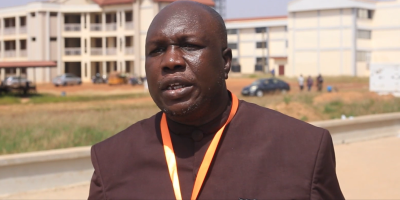
Dr Adjei Sarpong Kingsley, Acting Director of the Guidance and Counselling Unit at the Tamale Technical University, said the situation was worrying and required urgent attention from the government, health professionals and the public.
He said Ghana had an estimated 2.3 million people living with mental health conditions, but the treatment gap stood at 98 per cent, according to figures he attributed to the World Health Organisation (WHO) in 2025.
Dr Kingsley described the situation as a major public health concern, warning that many people were being left without the support and services needed to manage their conditions.
He made the remarks while speaking to the media at the Annual General Meeting of the National Association of Certified Counsellors.
According to him, addressing the challenge would require more than the efforts of psychiatrists and other medical professionals.
He said counsellors, paramedics and social service workers also had important roles to play in helping people recover and return to their normal lives.
Dr Kingsley explained that medical treatment alone was not enough, as people living with mental health conditions often needed social support to help them rebuild relationships, find their place in society and live independently.
He called for stronger cooperation among health professionals and social service providers to ensure that people receive proper care throughout their recovery.
The specialist also stressed the need for greater public education to help people understand mental health conditions and encourage those affected to seek professional support without fear or shame.
He said the annual meeting of the National Association of Certified Counsellors provided an important platform to discuss the challenges facing mental healthcare and explore ways to improve services.
Dr Kingsley urged stakeholders to treat mental health as a national priority, warning that the large number of people without access to care could not be ignored.
He said a coordinated approach involving government institutions, healthcare workers, counsellors, families and communities was necessary to close the treatment gap and improve mental health services in Ghana.