















The Northern, Upper East and Upper West regions are among areas requiring heightened public health preparedness as Ghana approaches a potentially hotter and dustier harmattan season, the Ghana Health Service (GHS) has warned.
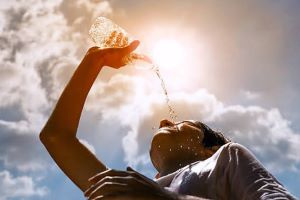
The Service says anticipated weather conditions associated with a developing El Niño phenomenon could increase the risk of meningitis, respiratory infections, dehydration and heat exhaustion, particularly in communities exposed to prolonged dry spells and high dust levels.
In a public health alert issued on Wednesday, November 18, 2026, the GHS said forecasts by the Ghana Meteorological Agency (GMet) pointed to high temperatures, reduced rainfall and increased dust levels in parts of the country.
The warning also covers the Savannah, North East and Bono East regions, alongside other vulnerable communities where hot and dry conditions could heighten health risks.
The GHS said the combination of dry air, heat and dust could increase vulnerability to respiratory infections and meningitis, making early public education and preventive measures critical.
It has consequently called on parents, teachers, traditional authorities, religious leaders, community organisations and local government authorities to intensify public education and encourage people to adopt appropriate protective practices.
The Service, however, cautioned against interpreting the El Niño forecast as an indication that a meningitis outbreak is inevitable.
“While El Niño phenomenon does not automatically mean that Ghana will experience a meningitis outbreak, the anticipated hot, dry and dusty conditions make early preparedness essential,” the statement said.
Beyond the risks associated with the dry season, the GHS warned that sudden rainfall and flooding in parts of southern Ghana could create additional climate-related health challenges.
The alert reflects concerns raised by GMet over the developing El Niño event, which is expected to influence weather conditions in Ghana into the first half of 2027, with hotter and drier conditions projected in many areas.
The GHS said it would continue monitoring the situation and provide further updates as necessary.
The statement was signed by the Director-General of the Ghana Health Service, Dr Samuel Kaba Akoriyea, on behalf of the Ministry of Health.