















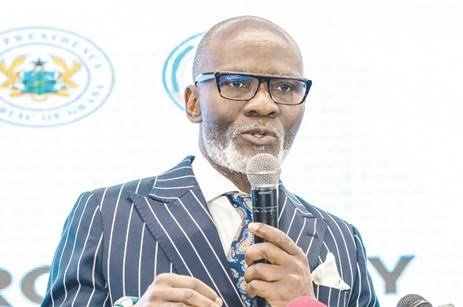
Chairman of the Africa Prosperity Network, Gabby Asare Otchere-Darko, has warned that Ghana risks achieving economic stability without meaningful improvements in the lives of its citizens if falling inflation, lower interest rates and currency stability fail to create jobs and expand business opportunities.
He argued that the success of the country’s economic recovery should not be measured solely by improving macroeconomic indicators but by whether households experience higher incomes, businesses expand and more employment opportunities become available.
Speaking on the Asaase Breakfast Show on Monday, November 23, Mr Otchere-Darko described economic stability as a necessary foundation for growth but cautioned that it should not become the ultimate objective of economic management.
He said businesses needed a stable economic environment to make investment decisions, expand operations and create employment, stressing that the real benefits of economic recovery must extend beyond improved financial statistics.
“Stability itself is not the end game,” he said, explaining that stability should create the conditions for businesses to grow and generate jobs.
Mr Otchere-Darko also questioned the practical benefits of declining inflation when household incomes and access to employment remained unchanged.
He explained that even when inflation falls, consumers could continue to experience financial difficulties because prices remain higher than before.
“Whether it’s five per cent or 20 per cent, what it means is that the cost of living has gone higher. But if it’s gone higher by five per cent and your salary or your access to a job to give you an income has not improved, then it means you are five per cent worse off,” he said.
He described the situation as a “stability of poverty”, arguing that an economy could record improved indicators without creating the opportunities needed to improve living standards.
“So what you are stabilising is poverty, but not an opportunity for growth, not an opportunity for enterprise, not an opportunity for jobs, for job creation,” he stated.
The Africa Prosperity Network chairman further maintained that economic management must be evaluated against its ability to address the everyday needs of citizens.
He cited the government’s responsibility to finance education, construct roads, pay public sector workers and settle outstanding payments owed to contractors as important measures of economic performance.
According to him, macroeconomic achievements would have limited meaning if they failed to translate into tangible improvements in the lives of ordinary Ghanaians.
“Economic management is not just about the macro. What matters to people also is about the micro,” he said.
He added that economic policies must move beyond announcements and promises to deliver practical results that citizens can experience in their daily lives.
His remarks come amid ongoing public debate over whether Ghana’s improving macroeconomic conditions are translating into meaningful financial relief for households and a stronger operating environment for businesses.