













About 8,500 schools across Ghana have no toilet facilities, while an estimated 5.4 million people continue to practise open defecation, highlighting major gaps in the country’s sanitation infrastructure.
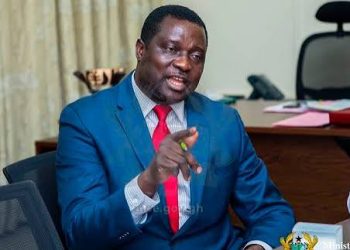
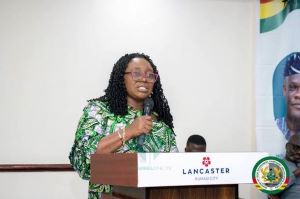
Deputy Minister of Local Government, Chieftaincy and Religious Affairs, Rita Naa Odoley Sowah, disclosed the figures during the 2026 national commemoration of World Toilet Day in Bongo in the Upper East Region.
She described the situation as a national emergency, warning that inadequate sanitation facilities disproportionately expose women and girls to insecurity, indignity and health risks.
According to her, the absence of household toilets forces many girls and women to venture into bushes and other unsafe locations to relieve themselves, sometimes under the cover of darkness to avoid being seen.
“Before sunrise, a girl wakes up in her home without a toilet. She must wait for darkness or walk into the bush. She goes hurriedly, afraid of snakes, afraid of strangers, and afraid of being seen. This is what open defecation costs. Not only health, but it also costs a girl, a community, their safety,” she lamented.
The Deputy Minister said Ghana loses an estimated US$290 million annually through poor sanitation, stressing the need for increased investment in household and public toilet facilities.
The 2026 celebration was held under the theme, “From Open Defecation to Open Opportunity Through the Gender Lens,” and organised by the Ministry of Local Government, Chieftaincy and Religious Affairs in partnership with WaterAid Ghana.
Government commits 10% of DACF to sanitation
Ms Sowah announced that government was committing 10 per cent of the District Assemblies Common Fund allocation to sanitation-related interventions.
The funding is expected to support sanitation infrastructure, waste treatment facilities, liquid waste management, sanitation equipment and public education.
She called on traditional and religious leaders, particularly men, to take greater responsibility for ensuring that every household has access to a toilet facility.
“Make a toilet in every home a mark of honour in your community,” she urged.
She also commended the Bongo District Assembly and traditional authorities for developing a 10-year sanitation master plan and initiating a district sanitation compact to address sanitation challenges.
Upper East Regional Minister Akamugri Donatus Atanga, for his part, urged all 15 Municipal and District Assemblies in the region to intensify efforts to improve household and public toilet facilities.
He stressed that sanitation improvement must go beyond occasional clean-up exercises and become a sustained responsibility of individuals, communities and local authorities.
“Sanitation must move beyond occasional clean-up exercises to become a sustained public responsibility and a way of life,” he said.
“Our commitment must be measured not by the speeches we deliver today, but by the improvements we achieve in the lives of our people,” he added.