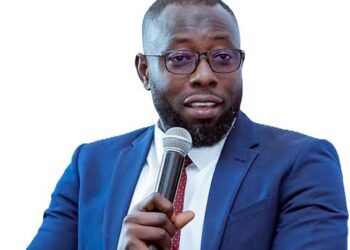
More than 800 million people across Africa remain disconnected from mobile internet services, highlighting a growing digital divide despite widespread mobile phone ownership, according to John Omo of the Africa Telecommunications Union.
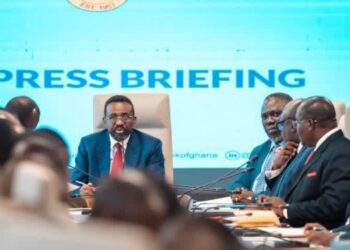
Speaking at a continental meeting in Accra ahead of the World Telecommunications Standardisation Assembly 2028, Mr Omo stressed that access to mobile devices has not translated into meaningful internet usage for many Africans.
He revealed that while 66 percent of Africans aged 10 and above own mobile phones, active mobile broadband subscriptions remain significantly lower, pointing to barriers such as high data costs and limited affordability.
According to him, internet access costs in Africa still exceed global affordability targets, making it difficult for millions to fully participate in the digital economy.
The issue has sparked calls for urgent reforms, with stakeholders urging governments to implement policies that make digital services more accessible, reliable, and affordable.
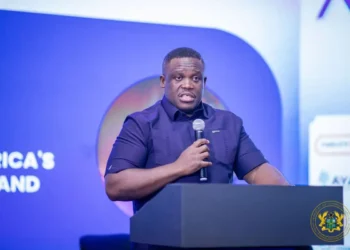
Also addressing the meeting, Samuel Nartey George emphasised the need for African countries to coordinate their positions and play a stronger role in shaping global digital standards, rather than merely adopting them.
Similarly, Seizo Onoe of the International Telecommunication Union encouraged African nations to ensure their priorities are reflected in global decisions at WTSA-28.
The discussions form part of efforts to develop a unified African stance on digital transformation, with a focus on bridging connectivity gaps and ensuring inclusive participation in the digital space.
The meeting brought together policymakers, regulators, and industry players to chart a path toward closing the continent’s digital divide and strengthening Africa’s voice in global telecommunications governance.