The Volta Regional capital, Ho, is expected to become a major centre for the promotion of Ewe cultural heritage when it hosts the third edition of the National Borborbor Championship on September 26, 2026.
The event, to be held at Ho-Bankoe, is being positioned by organisers as more than a dance competition, with efforts underway to transform Borborbor from a traditional regional performance into a cultural asset with national and international appeal.
Lead organiser of the carnival, Mr Elikem Kuatsikor, said the event would combine entertainment with deliberate efforts to preserve, promote and project Borborbor as an important part of Ghana’s cultural heritage.
The championship is expected to attract Borborbor groups, traditional leaders, cultural enthusiasts and music lovers from across the country and beyond.
Building international appeal
Organisers are also introducing a cross-border dimension to this year’s celebration through the participation of celebrated Togolese artiste Manu Koraman.
His appearance is expected to highlight the cultural links between Ghana and Togo, particularly the shared heritage of Ewe communities on both sides of the border.
According to the organisers, the involvement of an artiste from neighbouring Togo forms part of a broader strategy to expose Borborbor to audiences across West Africa and eventually position the cultural tradition on the international stage.
The event is also expected to feature traditional food, crafts and other cultural displays showcasing the heritage of the Volta Region.
Competition for the national crown
The main championship will bring together shortlisted Borborbor groups that have passed through preliminary screening, with participants expected to compete on creativity, precision, choreography, costumes, musical arrangements and audience engagement.
Reigning champions Elikem from Madina are expected to return to defend their title against a competitive field.
Among the groups hoping to challenge the champions are the Asogli Unity Borborbor Groups, who will have the advantage of performing in front of strong home support.
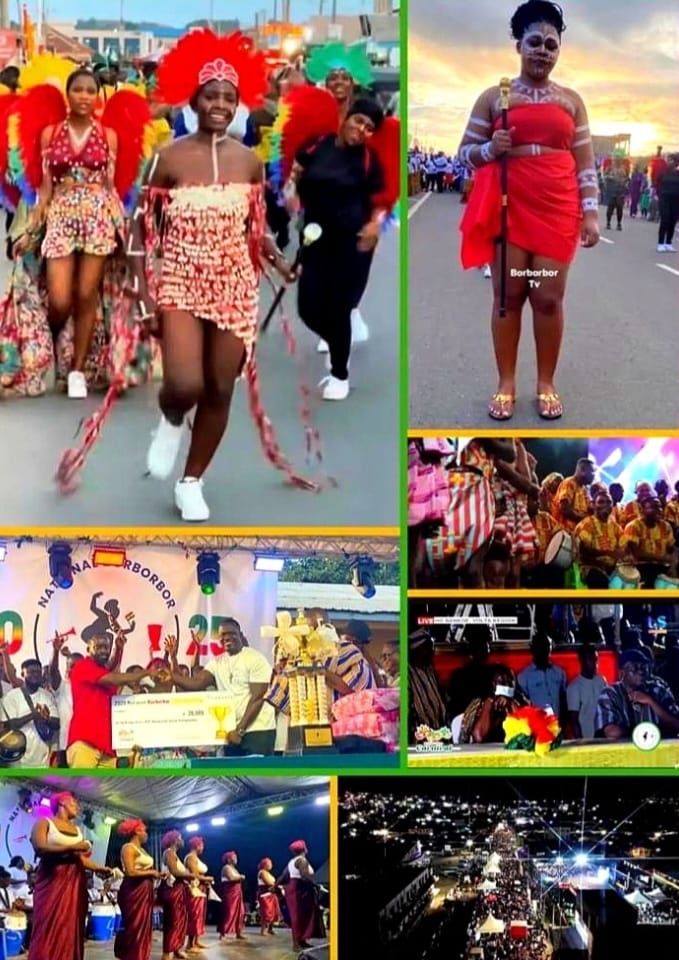
The day-long programme will also include a carnival procession, cultural performances, interactive games and prizes for participants and patrons.
Registered groups will parade through parts of Ho in traditional regalia, accompanied by drumming, dancing and choreographed displays.
Traditional leadership
The expected presence of Togbe Afede XIV, Agbogbomefia of the Asogli State, at the grand durbar is also expected to add significance to the celebration.
Organisers believe his participation will underscore the role of traditional authorities in preserving indigenous culture and bringing communities together around their shared heritage.
The event is designed to attract families, young people and visitors, creating an opportunity for different generations to engage with Borborbor and other aspects of Ewe culture.
Organisers said the long-term ambition was to move Borborbor beyond its traditional regional identity and establish it as a nationally celebrated and internationally recognised cultural expression.
The third National Borborbor Championship is therefore expected to serve as both a competitive platform for dance groups and a broader cultural showcase aimed at preserving Ewe heritage while opening it up to audiences beyond Ghana.