Australia’s online safety regulator has identified significant weaknesses in the way major gaming platforms protect children from serious online harms, including sexual exploitation, grooming and violent extremist content.
A new report by the eSafety Commission found inconsistent child-safety practices across Steam, Roblox, Fortnite and Minecraft, despite the widespread use of online games among Australian children.
Research cited by the regulator shows that nine out of 10 Australian children aged between eight and 17 play online games.
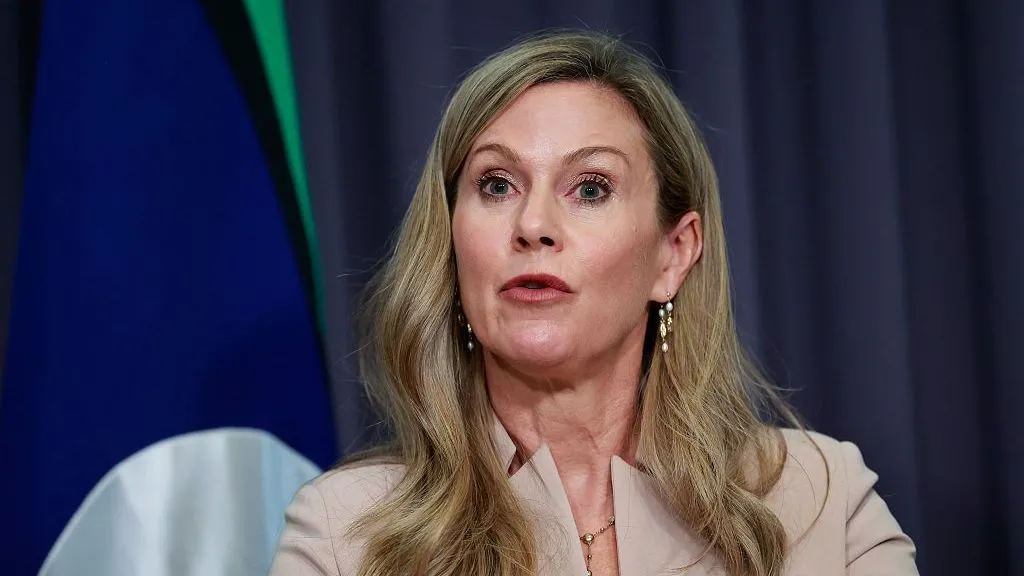
eSafety Commissioner Julie Inman Grant said children should be able to use gaming platforms without being exposed to predators, sexual extortion or other harmful material.
“Australian children have a right to play online without being exposed to predators, sexual extortionists, violent extremist content or other harmful material,” she said.
The regulator found that the four platforms differed considerably in their approaches to age verification, content detection and cooperation with other technology companies.
Valve, the US company behind Steam and Steam Chat, was singled out for not using a technology widely adopted across the gaming industry to identify and remove known harmful content.
The report also found that Valve did not proactively use detection tools to identify child sexual exploitation material or violent content in chats. Its existing systems were primarily focused on identifying scams.
Roblox and Valve were also criticised for relying only on internal datasets to train language-detection systems and for not regularly retraining those models.
The regulator said stronger safeguards were needed to detect and prevent serious harms, including child sexual exploitation, sexual extortion and content promoting or instructing violence.
Age verification was another concern. Minecraft and Fortnite generally allow users to declare their own ages, potentially giving users who falsely identify themselves as adults access to communication features considered higher risk.
Steam also relied on self-declared ages, although the report noted that it had recently introduced credit-card-based age checks. Roblox has also strengthened its age-verification measures since December.
The report further identified differences in how the platforms cooperate with one another and share information about online safety threats.
Mojang Studios, the developer of Minecraft, and Roblox were found to share expertise on tackling child sexual exploitation and violent extremism. Valve, however, did not participate in the same form of information sharing.
Epic Games, which operates Fortnite, was also found not to have shared certain breach incidents with other platforms through a global programme aimed at combating online child sexual exploitation and abuse.
The findings were based on information gathered by the eSafety Commission between October 2025 and March 2026 on measures used by the four platforms to protect users from serious online harms.
The report comes as Australia continues to strengthen its regulation of online platforms. The country introduced a ban on social media access for under-16s in December, although gaming platforms were excluded from that measure.
Roblox said it had invested heavily in child-safety measures, including mandatory age checks, and maintained that protecting its Australian community remained a priority.
Valve, Epic Games and Microsoft, which owns Minecraft, were contacted for comment.