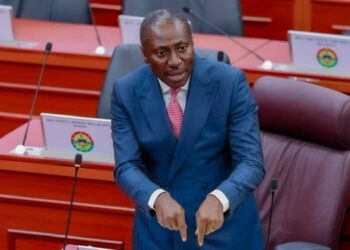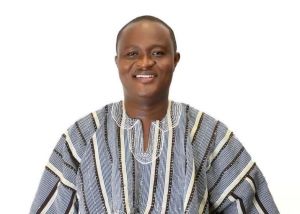













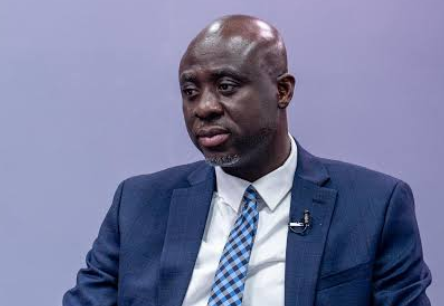
The Member of Parliament for Effia, Isaac Yaw Boamah-Nyarko, has criticised the Mahama administration’s approach to government spending and engagement with organised labour, warning that poor fiscal decisions could undermine Ghana’s economic recovery.
He has called on the government to demonstrate greater discipline in the management of public funds and ensure that budgetary allocations translate into actual development projects and improved living conditions.
Speaking on Good Morning Ghana on Metro TV on Tuesday, November 10, 2026, the Effia MP accused the Finance Minister, Dr Cassiel Ato Forson, of failing to adequately consult organised labour before making proposals on their conditions of service.
His comments come amid disagreements between the government and the Judicial Service Staff Association of Ghana (JUSAG), which has raised concerns about the handling of negotiations over its conditions of service.
Mr Boamah-Nyarko said the concerns raised by JUSAG reflected a broader problem with the government’s engagement with organised labour, insisting that public sector workers must be treated as partners in discussions affecting their welfare.
“When I say you are taking them for granted, it is not about the past. It is about the now,” he stressed.
He said the government must take seriously concerns raised by organised labour, the Ghana Bar Association and the Judicial Council rather than making decisions without adequate consultation.
The Finance Committee member also questioned the government’s proposed fiscal consolidation measures, particularly plans to reduce the fiscal deficit from 1.5 per cent to 0.5 per cent, arguing that such decisions must be carefully assessed against the country’s development needs.
Disclosing that Parliament’s Finance Committee had recently engaged the International Monetary Fund (IMF), he said the country’s economic outlook remained challenging.
“We met with the IMF about four days ago. And if we should take the outlook, it’s still a challenged outlook,” he said.
He consequently called for a more realistic approach to budget implementation, questioning why ministries, departments and agencies were sometimes allocated substantial amounts in the national budget but received only a fraction of the approved funds.
“You can’t give a ministry, department, and agency a budget of 100 and release 30 of the 100 and tell me that you are managing the economy right,” he argued.
Mr Boamah-Nyarko also raised concerns about the reported GH¢2 billion allocation for an expressway project, questioning why such resources would remain in an account while other critical road infrastructure, including the Accra-Kumasi highway, required significant investment.
According to him, government spending must be guided by pressing national development priorities to ensure that available resources address the needs of citizens.
Beyond his concerns about fiscal management, the MP rejected suggestions that the previous New Patriotic Party (NPP) administration handed over a junk economy to the Mahama government.
He maintained that economic indicators in 2024 showed signs of recovery before the NPP left office, citing economic growth of 5.7 per cent and a reduction in inflation to 23 per cent by the end of the administration.
He also referenced Ghana’s credit outlook at the time, pointing to assessments by Standard & Poor’s, Fitch and Moody’s as evidence that the country’s economic situation was improving.
“My sister knows that by 2024, Ghana’s economy was not a junk economy,” he said.
Mr Boamah-Nyarko further defended the previous administration’s debt management record, arguing that Ghana continued making payments on its bonds in 2024 despite undergoing debt restructuring.
He insisted that the responsibility to honour the country’s debt obligations rests with successive governments, irrespective of political affiliation.
The Effia MP urged the Mahama administration to move beyond political arguments about the economic conditions it inherited and concentrate on meeting its own commitments to Ghanaians.
“We are not here to look for your failure. We are not here to say that you should take us to a junk economy. But you never met a junk economy, for goodness sake. So we are all supposed to do our best,” he added.