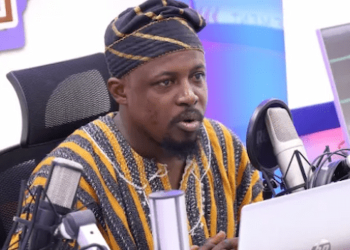











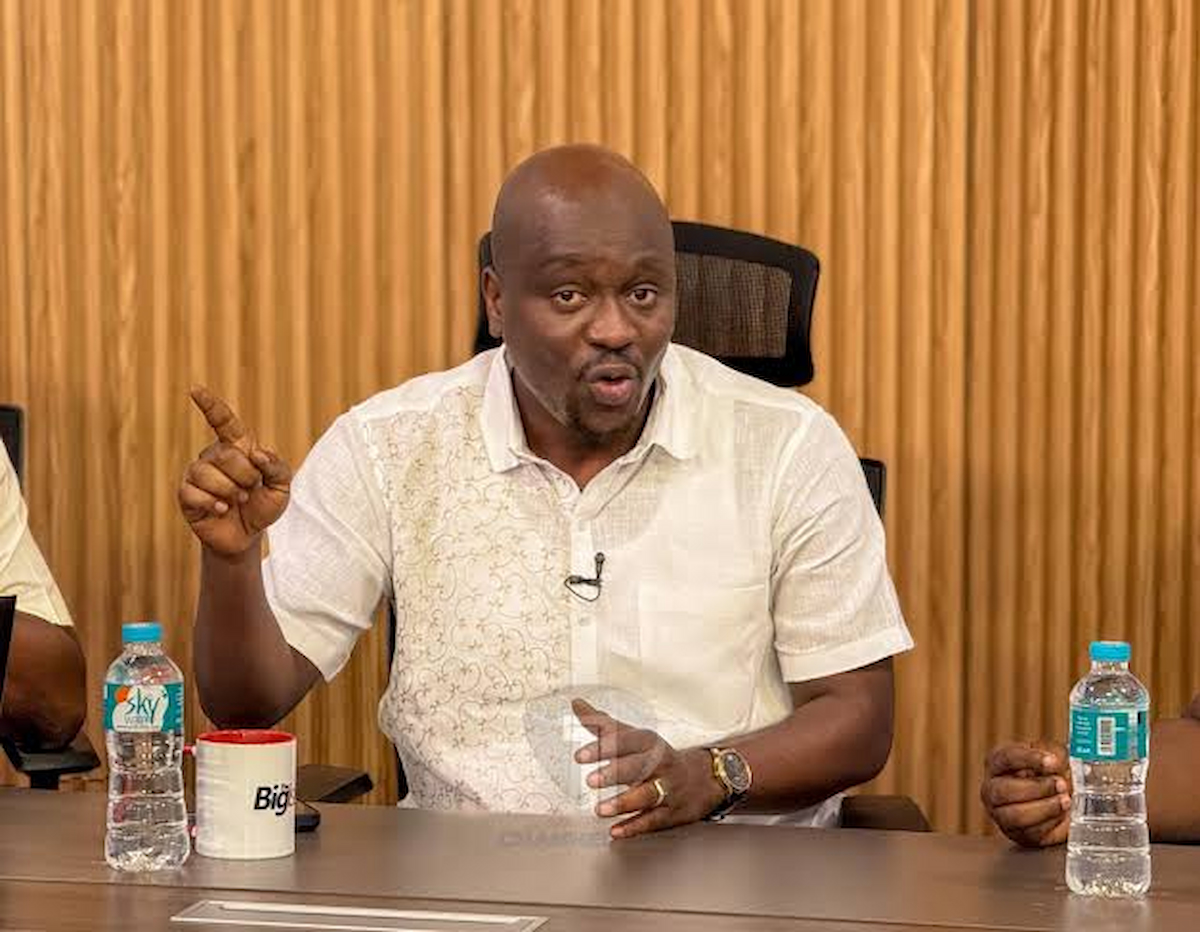
A member of the National Democratic Congress (NDC) Communications Team, Hamza Suhuyini, has urged Ghanaians to demand identification from individuals seen working on streetlights to prevent criminals from stealing public infrastructure under the guise of carrying out maintenance.
He warned that some individuals allegedly remove streetlight components in broad daylight while disguising their activities as legitimate repair works, making it difficult for unsuspecting residents to identify them as thieves.
Speaking on TV3, Mr Suhuyini said the situation required greater public vigilance, particularly in communities where streetlight equipment had become a target for theft.
He observed that people could easily mistake the suspected thieves for officials of the Electricity Company of Ghana (ECG) because of the manner in which they conduct their activities.
“You are forgiven to conclude that they are ECG officials who are trying to resolve the matter, but indeed they still [steal] in broad daylight,” he said.
To address the problem, he proposed that genuine workers handling streetlight installations and repairs should carry visible identification to enable residents to verify their identities.
He also called for increased police patrols around streetlight installations, particularly at night, when many of the reported thefts are believed to occur.
Mr Suhuyini encouraged residents to approach suspicious individuals, request their identification and alert the relevant authorities whenever their activities raise concerns.
“Even if you are walking past and you see something like that, you can engage. Ask for IDs, make phone calls, just as we report cases now through the ECG app when you have outages,” he stated.
He maintained that protecting public infrastructure should be a collective responsibility rather than an obligation left entirely to government agencies.
According to him, citizens must demonstrate interest in safeguarding national property irrespective of the political party in power, stressing that the responsibility of Ghanaians goes beyond paying taxes.