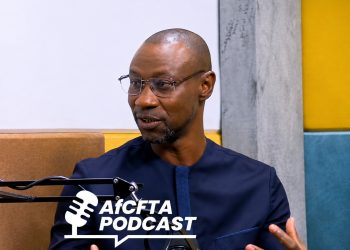







The Bank of Ghana’s Director of Research, Philip Abradu-Otoo, has urged financial institutions to move beyond opening bank accounts for women and develop affordable financial products that can help women-owned businesses expand.
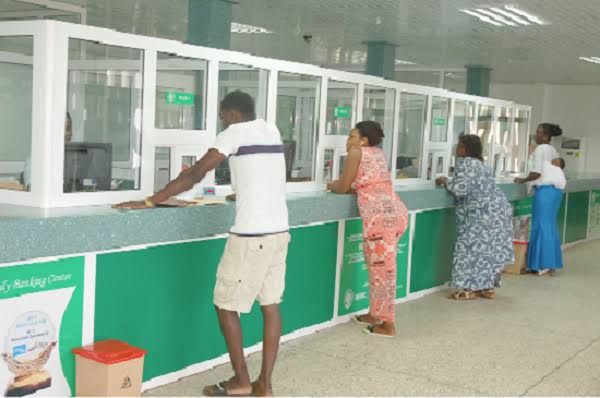
He said Ghana’s progress in extending financial access had not translated into equal opportunities for women to save formally or secure the financing needed to grow their businesses.
Speaking at the Ecobank-JoyBusiness Financial Dialogue, Abradu-Otoo disclosed that women account for 78 per cent of financial access in Ghana, compared with 84 per cent for men, with mobile money services contributing significantly to the expansion.
However, he said the disparity becomes more pronounced when access is measured by actual use of financial services.
According to him, only about 36 per cent of Ghanaian women save formally, while men are seven percentage points more likely to do so.
“The gap widens as we move from opening an account to using an account. Only about 36% of Ghanaian women save formally, and men remain seven percentage points more likely to do so,” he said.
He further noted that women entrepreneurs face additional barriers when seeking loans, including smaller loan amounts, shorter repayment periods and high interest rates.
Abradu-Otoo said many women-led businesses continued to depend on informal savings schemes, expensive short-term loans, family support and supplier credit to sustain their operations.
“Too many women-led businesses run on susu, overpriced short-term borrowings, donations, family ledgers and supplier credit, enough to survive, but not enough to scale their operations, grow and absorb labour,” he stated.
He called on financial institutions to design products that respond to the financing needs of women entrepreneurs, particularly by improving access to affordable credit with longer repayment periods.
“The task before us is no longer to bring women into the financial system, but we must begin to make the financial system work for women,” he said.
Abradu-Otoo said addressing the gaps would enable women-owned businesses to expand, employ more people and contribute more significantly to Ghana’s economic growth.