
















The Minority in Parliament has warned that Ghana’s growing debt-servicing obligations are crowding out critical investments needed to stimulate economic growth, expand businesses and create jobs.
The caucus argues that the GH¢61 billion allocated to interest payments in the 2027 Budget far outweighs government spending on key productive sectors, raising concerns about the country’s economic priorities.
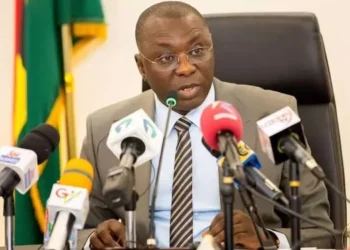
Ranking Member of Parliament’s Finance Committee, Dr Mohammed Amin Adam, said allocations to agriculture, energy, the Big Push, youth development, industry and tourism totalled GH¢37.874 billion, falling GH¢23.126 billion short of the amount earmarked for interest payments.
He further pointed out that the interest bill exceeded the combined allocations for neither sector but even the individual budgets for education and health, which received GH¢48 billion and GH¢40.3 billion respectively.
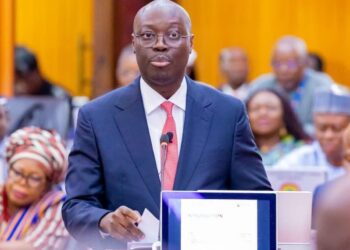
Addressing journalists in Parliament on Friday, November 13, following the presentation of the 2027 Budget by Finance Minister Dr Cassiel Ato Forson, Dr Amin Adam questioned how the government intended to generate economic growth under the current spending structure.
“Where exactly is the growth going to come from?” he asked.
The former Finance Minister also questioned whether Ghana had adequately utilised the fiscal relief created by the country’s debt restructuring programme.
He cited domestic interest payments of approximately GH¢51 billion, arguing that subsequent borrowing and its associated costs appeared to have eroded much of the fiscal space expected from the restructuring exercise.
According to him, the growing cost of servicing public debt leaves government with fewer resources to invest in sectors capable of expanding production and generating employment.
Dr Amin Adam consequently called for stronger fiscal discipline, prudent borrowing practices and improved cash management to reduce the pressure of debt servicing on public finances.
He warned that unless government redirects more resources towards productive investment, Ghana risks remaining trapped in a cycle where rising interest obligations constrain economic expansion and job creation.