
















The government is planning to introduce a 3 per cent discount on small-scale gold purchases in 2027 as part of efforts to reduce the cost of accumulating foreign exchange and strengthening Ghana’s reserves through domestic gold trading.
The proposed adjustment is expected to change the pricing structure of the Ghana Accelerated National Reserve Accumulation Policy (GANRAP), with government targeting a reduction in the cost of generating foreign exchange from the current 5 per cent to 2 per cent.
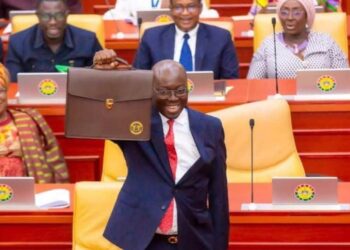
The measure, announced in the 2027 Budget presented by Finance Minister Dr Cassiel Ato Forson, comes amid efforts to address the financial implications of the domestic gold purchase programme following its transfer from the Bank of Ghana (BoG) to the Ghana Gold Board (GoldBod).
According to the budget, the cost of generating foreign exchange through the programme declined from 16 per cent in 2025 to 5 per cent in 2026. Government now intends to achieve further savings through adjustments to the price at which gold is acquired from small-scale miners.
“To reduce this cost further to 2 per cent, Government will, in consultation with industry stakeholders, introduce a 3 per cent discount on small-scale gold purchases in 2027,” the budget stated.
Gold programme faces pressure to become financially sustainable
The proposed discount comes against the background of substantial losses recorded under the previous financing arrangement, when the Bank of Ghana provided the funds for domestic gold purchases.
Under that arrangement, GoldBod facilitated the acquisition of gold from small-scale miners on behalf of the central bank, often purchasing at spot prices and, in some instances, at premiums.
While GoldBod received service fees for facilitating the transactions, the Bank of Ghana financed the purchases and absorbed the associated financial risks.
The central bank’s 2025 financial statements reported losses of approximately GH¢22 billion from the Domestic Gold Purchase Programme.
JoyNews Research subsequently identified several factors contributing to the losses, including service and assay fees, discounts granted on gold sold to off-takers and exchange-rate differences.
Its analysis also highlighted differences between the foreign exchange bureau rates applied in purchasing gold and the reference rates used in the Bank of Ghana’s accounting.
Although some of the losses represented valuation effects rather than direct cash expenditure, they contributed to the deterioration of the central bank’s financial position.
Financing responsibility shifts to government
The financial structure of the programme has since undergone significant changes.
GoldBod began conducting doré gold purchases on April 1, 2026, while a memorandum signed in July formalised the transfer of the programme from the Bank of Ghana.
The change effectively shifted responsibility for financing the purchases from the central bank to the Ministry of Finance.
However, the transfer of financial responsibility did not automatically address the underlying costs associated with acquiring, processing and exporting gold.
The proposed 3 per cent discount is therefore intended to tackle the cost of acquisition directly by reducing the price paid for gold sourced through the programme.
A lower purchase price could provide additional room to accommodate refining, transportation, financing and other trading expenses while reducing the amount of public resources required to sustain the initiative.
Balancing lower costs with gold supply
Despite the expected financial benefits, the proposed discount presents another consideration for government: maintaining the attractiveness of the official gold-buying system to small-scale miners and licensed buyers.
Reducing the price offered to miners could affect the volume of gold supplied through official channels if alternative buyers offer more competitive prices or better payment arrangements.
This makes consultation with industry stakeholders important to the implementation of the proposed pricing adjustment.
The 2027 Budget specifically identifies the Ghana National Association of Small-Scale Miners and the Licensed Gold Buyers Associations as key industry groups expected to support the reforms.
The government will have to ensure that efforts to reduce acquisition costs do not undermine participation in the formal gold trading system.
Government highlights $12 billion gold exports
Despite the financial challenges associated with the programme, government maintains that domestic gold purchases remain central to its foreign exchange and reserve accumulation strategy.
The 2027 Budget reports that GoldBod exported 88 tonnes of small-scale gold valued at approximately US$12 billion between January and November 2026.
The exports have contributed to foreign exchange supply, reserve accumulation and efforts to support the stability of the cedi.
Government considers the programme an important instrument for mobilising foreign exchange from Ghana’s small-scale mining sector and strengthening the country’s external reserves.
However, the reported export performance has also increased the importance of ensuring that the programme operates under a financially sustainable structure.
The proposed 3 per cent discount is expected to bring the cost of generating foreign exchange down to 2 per cent in 2027, although government has acknowledged that the programme will continue to carry some costs.
Ultimately, the success of the reform will depend on whether the revised purchasing arrangement can lower the financial burden on government while sustaining gold deliveries through licensed channels.
The shift from Bank of Ghana financing to Ministry of Finance funding has changed who bears the cost of the programme. The proposed discount represents government’s next attempt to reduce the cost of acquiring the gold that underpins its reserve accumulation strategy.