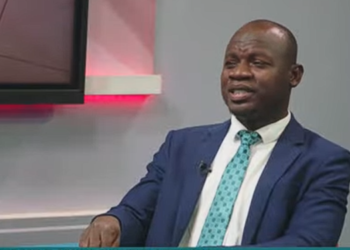
Forensic medical scientist and security intelligence researcher, Lawrence Kofi Acheampong, has urged authorities to prioritize cultural sensitivity and public education in disaster response, following criticism of how the remains of victims of the August 6 military helicopter crash were transported.
The Ghana Armed Forces (GAF) has come under fire after videos surfaced showing charred remains of the eight victims, including three service members, being carried in cocoa sacks instead of standard body bags. The military has since clarified that body bags were available, but the severely burnt condition of the remains made sacks more practical under the circumstances.
Speaking on The Big Issue on Channel One TV, Mr. Acheampong explained that while disaster management guidelines allow for improvisation, the methods used must always take cultural and religious sensitivities into account.
“Every disaster has a unique context, and recovery operations must be adapted accordingly. While improvisation is acceptable in international best practice, in Ghana, the cultural meaning of using sacks may be misunderstood and stir public emotions,” he noted.
Mr. Acheampong suggested that the approach taken may have been part of a “wet transfer” technique — a standard method for moving charred or fragmented remains over long distances — but acknowledged that more public awareness is needed to avoid backlash.
“The principle behind wet transfer is sound, but it is equally important that the public understands why certain decisions are made. Otherwise, what is standard practice to professionals may look undignified to the community,” he said.
His intervention adds nuance to the ongoing debate, underscoring the importance of balancing operational realities with cultural expectations in disaster recovery. Experts say the controversy highlights the urgent need for Ghana to expand public education on disaster management protocols to build trust and reduce misunderstanding in times of tragedy.