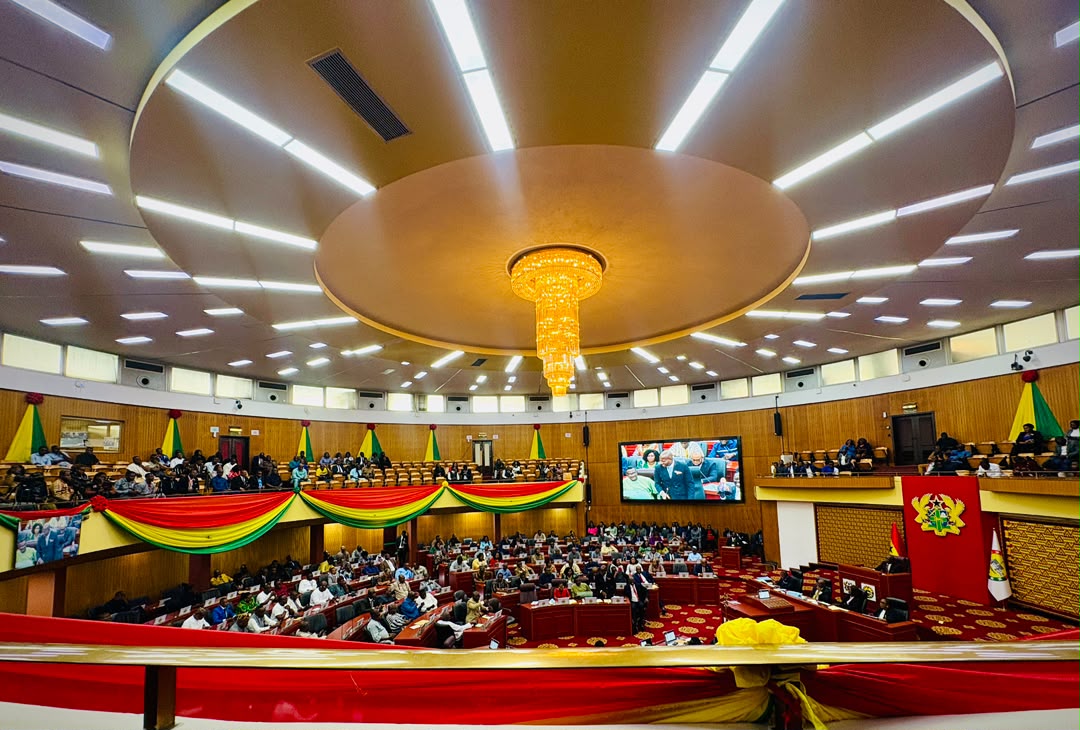
Parliament resumes sitting on Tuesday, November 3, with lawmakers expected to confront a series of major national policy and legislative issues, including preparations for the 2027 Budget and the possible reintroduction of the controversial Human Sexual Rights and Family Values Bill.
The Third Meeting of the Second Session of the Ninth Parliament of the Fourth Republic comes at a critical time, with the government’s economic direction, public spending priorities and contentious legislative proposals expected to attract considerable attention.
At the centre of the meeting will be the presentation of the 2027 Budget Statement and Economic Policy by the Minister of Finance, Dr Cassiel Ato Forson, scheduled for November 12.
The budget is expected to provide a comprehensive assessment of the government’s economic priorities for the coming year, including revenue mobilisation, expenditure commitments, fiscal consolidation targets, public debt management and measures to stimulate economic growth.
It will also offer an indication of the government’s policy direction as it seeks to address prevailing economic challenges and improve the living conditions of Ghanaians.
Following the presentation, parliamentary committees are expected to begin detailed scrutiny of the proposed allocations to ministries, departments and agencies, providing an opportunity for lawmakers to interrogate expenditure proposals and assess whether the planned allocations align with national development priorities.
The House will subsequently consider the Appropriation Bill, whose passage is necessary to authorise government spending from the Consolidated Fund for the 2027 financial year.
However, economic matters are not expected to be the only major issue commanding parliamentary attention.
The controversial Human Sexual Rights and Family Values Bill, popularly known as the Anti-Gay Bill, is also expected to return to the legislative conversation, potentially setting the stage for another round of heated political, religious and human rights debates.
The proposed legislation has remained one of Ghana’s most contentious legislative initiatives, drawing sharply divided opinions from political stakeholders, religious leaders, civil society organisations and international human rights advocates.
Supporters of the bill maintain that its passage is necessary to safeguard Ghanaian cultural identity, traditional values and the family system.
Opponents, however, have questioned its compatibility with fundamental human rights and warned of possible legal and international implications.
Its possible consideration during the new meeting is therefore likely to revive longstanding disagreements over the balance between cultural values, constitutional protections and individual freedoms.
With the 2027 fiscal proposals approaching and the Anti-Gay Bill potentially back on the agenda, the latest parliamentary meeting is expected to be closely watched by the public, as decisions taken by the House could have far-reaching implications for the country’s economy, governance and social policy.