
















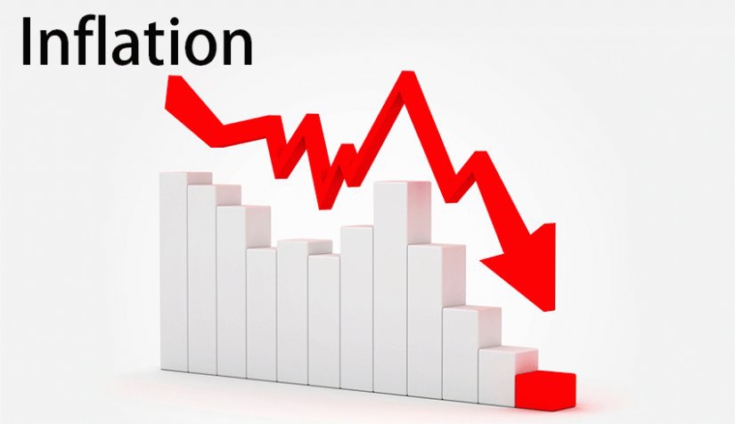
The Ghana Statistical Service (GSS) has reported a further drop in producer inflation, sparking hopes that households could soon feel relief at the market if falling production costs are passed on to consumers.
Producer inflation eased to 3.8 per cent in July 2025, down from 5.8 per cent in June. This marks the sixth straight monthly decline and the lowest level since November 2023.
According to the latest Producer Price Index (PPI) release, producer costs still rose by 1.6 per cent month-on-month, but the broader trend suggests a steady cooling of price pressures across key sectors.
The manufacturing sector, which makes up 35 per cent of the PPI, saw the sharpest moderation as prices dropped from 7.2 per cent in June to 3.6 per cent in July. Similarly, mining and quarrying, Ghana’s largest sector with a 43.7 per cent weight, slowed from 6.5 per cent to 4.6 per cent. Together, these two sectors drove much of the downward momentum in producer inflation.
Meanwhile, some costs are already turning negative. Transport charges declined further from -7.0 per cent to -8.1 per cent, while accommodation and food services remained steady at 2.6 per cent.
Analysts say these trends could be transformative if reflected in retail pricing. “Lower costs at the production stage create a real opportunity for market and shop prices to ease, providing tangible relief for households,” the GSS statement noted.
The Service urged businesses to take advantage of declining input costs not just to expand margins, but to innovate, stay competitive, and make products affordable for consumers.
It also called on government to consolidate stability and provide targeted incentives for the mining and manufacturing sectors to sustain production and protect jobs, ensuring the inflation slowdown is long-lasting.
For now, consumers have been advised to monitor prices closely, since any drop in producer costs should eventually translate into cheaper goods and services in the market.






