
















The Minerals Commission has announced sweeping reforms to Ghana’s mining policy and legal framework aimed at promoting responsible mining, curbing harmful practices, and ensuring that communities benefit directly from mineral wealth.
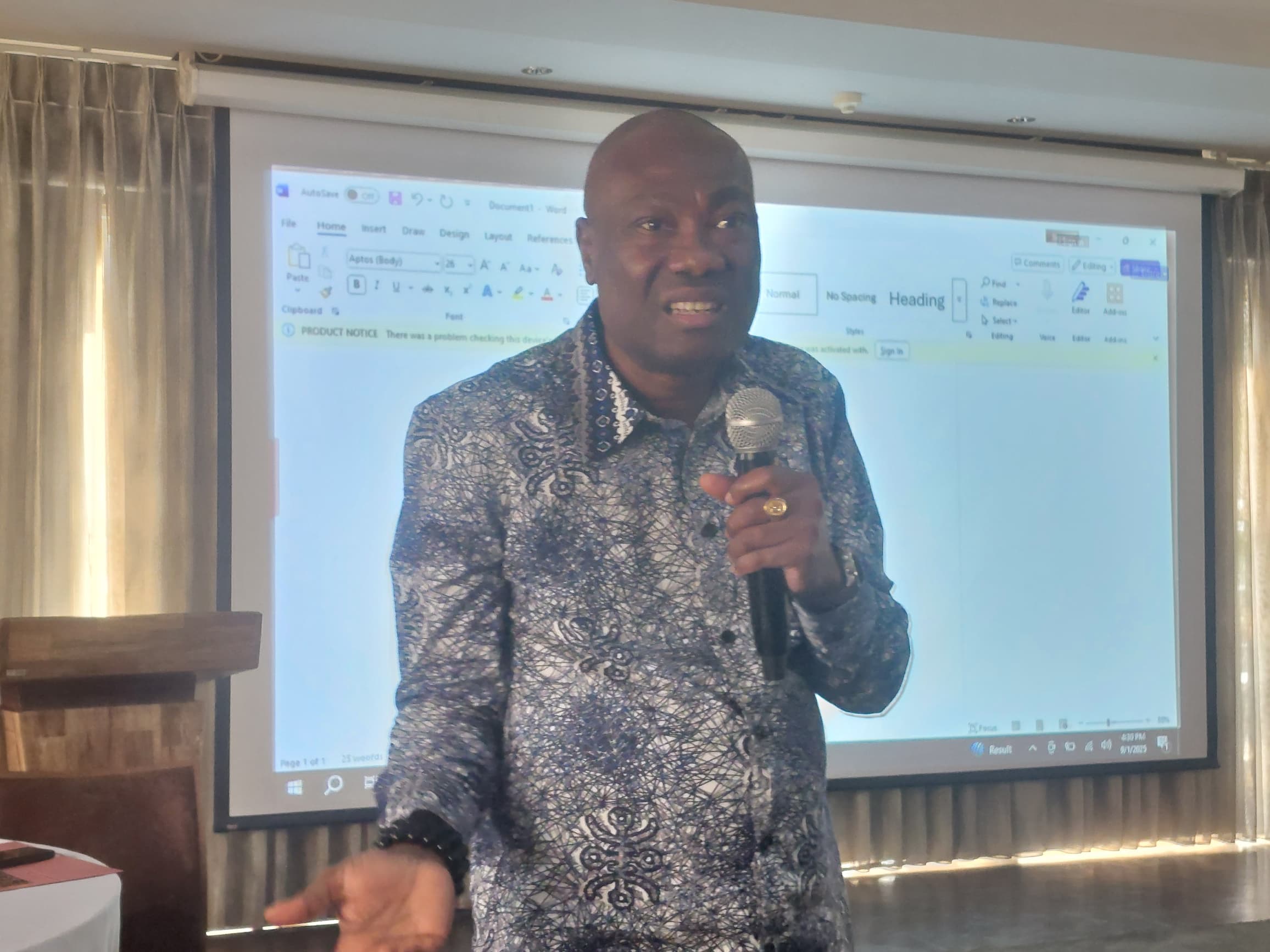
Speaking at a stakeholder engagement workshop in Kitase in the Eastern Region, outgoing Chief Executive Officer Mr. Martin Kwaku Ayisi said the reforms were designed to update the 2014 Mining Policy and nearly two-decade-old mining laws to reflect emerging global trends, national needs, and the growing role of medium-scale mining.
Key proposals include making community development agreements mandatory, requiring mining companies to work with local chiefs and commit at least one percent of annual profits to fund development projects. Mr. Ayisi said this was crucial to indigenizing the sector and correcting past development agreements that had been detrimental to Ghana.
He also revealed plans to reduce the duration of prospecting licenses to prevent companies from holding them indefinitely, thereby freeing up mineral-rich areas for small-scale miners and aligning Ghana with international standards. In addition, the Commission is reviewing the practice of granting mining leases for up to 30 years, arguing that most mines in Ghana typically last 10 to 12 years.
Another priority is investing in geological surveys to identify viable mining areas, which would make it easier to regulate operations, discourage the use of mercury, and track gold production more effectively. Mr. Ayisi stressed that about 70 percent of the country’s illegal mining problem could be resolved if miners were directed to properly designated sites.
The Kitase workshop, organised by the Minerals Commission in collaboration with the Ghana Journalists Association, brought together journalists from across the country to strengthen their understanding of the sector.
Participants welcomed the reforms, with Ms. Patience Tawiah describing the training as eye-opening, particularly on the need to invest in geological investigations to guide responsible mining and protect communities.
Mr. Ayisi emphasised that these reforms were not just about fixing current challenges but about laying the foundation for a more transparent, sustainable, and inclusive mining industry in Ghana.






