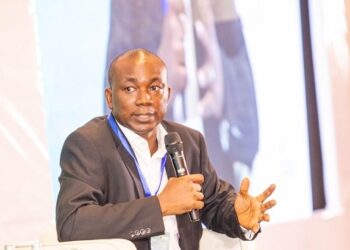
At the inaugural Women in Sustainability Africa (WiSA) Summit held in Accra, the focus shifted from financial limitations to the power of initiative, as women leaders were challenged to take bold steps in the fight against climate change and inequality—regardless of funding constraints.
Nana Yaa Serwaa Sarpong, Convenor of WiSA, delivered a powerful message encouraging women in the sustainability space to act first and trust that support will follow. “Don’t wait for money, just start and God will send helpers. Great things happen when women come together,” she told participants at the summit themed “The Role of Women as a Source of Labour and Agents of Sustainability.”
WiSA was launched to address the low representation of women in sustainability and environmental advocacy across Africa. Sarpong said the initiative aims to build a movement of women-led efforts in climate resilience, impactful research, and community development.
“We want to bring all women and women’s groups together to accelerate growth in the sustainability and climate change sector. This summit is just the beginning,” she said.
She also stressed the need for strategic partnerships with men to open doors for women in decision-making spaces. “The men hold the key to the room. If we fight them, how would you get access to the keys? But if we do this with them, we can get a copy of the key and have access to the room.”
The event, a collaboration between WiSA and three government ministries—Gender, Children and Social Protection; Labour, Jobs and Employment; and Climate Change and Sustainability—drew a diverse audience of policymakers, development actors, and private sector players.
Pledging his support, Minister of State for Climate Change and Sustainability, Mr. Issifu Seidu, described WiSA as “visionary” and promised government backing to ensure the initiative grows into a continental force.
Mrs. Agnes Naa Momo Lartey, Minister of Gender, Children and Social Protection, hailed the summit as a timely intervention that aligns with Ghana’s gender empowerment agenda. She highlighted policies like the 2015 Gender Policy and the Affirmative Action and Gender Equity Bill as evidence of government’s commitment to women’s advancement.
International dignitaries, including former Liberian Vice President Jewel Howard Taylor and Nigerian political leader Prince Adewole Adebayo, also lent their voices to the call for gender-inclusive climate action.
With strong political support and a call for grassroots mobilisation, WiSA’s first summit signaled a new era of African women taking charge in sustainability—not by waiting, but by starting.