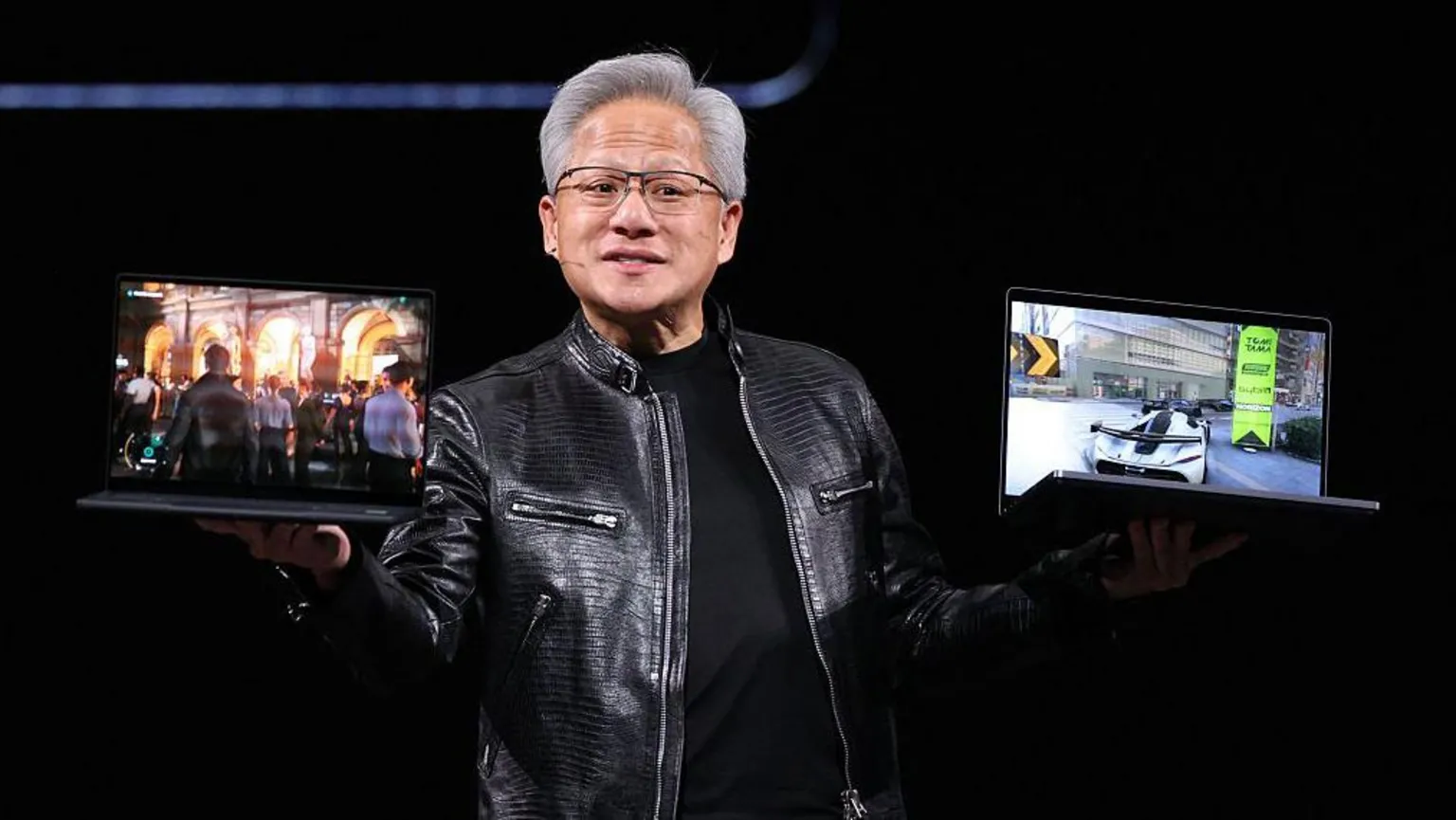
Nvidia has unveiled a new generation of computer chip designed for personal devices, signalling a major expansion beyond its traditional dominance in data centre and AI infrastructure markets.
The new chip, called the RTX Spark, was announced by Chief Executive Jensen Huang during a keynote address ahead of the Computex technology exhibition in Taipei, Taiwan. Huang described the development as a major technological shift, comparing it to the transition from traditional mobile phones to modern smartphones.
“This reinvention of the computer is as big of a deal as the reinvention of the phone into what we now know as the smartphone,” he said.
The RTX Spark is positioned as a “superchip” built for what Nvidia calls the era of personal AI agents, enabling computers to function not only as tools but as interactive digital assistants.
The chip will be integrated into upcoming Windows-based personal computers from major manufacturers including Lenovo, HP, Dell, Microsoft Surface, Asus, and MSI, with availability expected in the autumn. Acer and Gigabyte are also expected to release models featuring the new technology.
The move places Nvidia in more direct competition with established PC industry leaders such as Apple and Intel, as it pushes deeper into the consumer computing space. According to market data from Gartner, Lenovo, HP, Dell, and Apple currently dominate nearly three-quarters of global PC shipments.
The announcement comes at a time when Nvidia’s global influence continues to grow, driven by strong demand for AI chips powering data centres worldwide, making it one of the most valuable companies globally with a market valuation exceeding $5 trillion.
In a related development, the United States has introduced stricter export controls targeting advanced semiconductor technology, including Nvidia’s high-end AI chips. New guidance from the Department of Commerce’s Bureau of Industry and Security requires licences for exporting top-tier chips to subsidiaries of Chinese firms located outside China.
The measures are part of Washington’s broader effort to restrict China’s access to advanced computing technology used in artificial intelligence development.
Nvidia’s latest move underscores intensifying competition in the global tech industry as companies race to define the future of AI-powered personal computing.