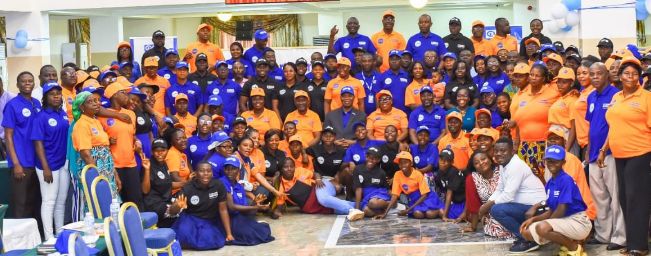
As Plan International Ghana marks the successful completion of its Be Smart, Learn, and Stay Protected project, attention is now shifting towards the sustainability of its interventions. The initiative, which sought to protect adolescent girls from Sexual and Gender-Based Violence (SGBV) while promoting education, has empowered communities in the Eastern and Oti regions to take a stand against abuse.
While the close-out ceremony highlighted achievements, stakeholders are keen on ensuring that the structures and systems established over the last four years continue to function effectively. The project established community child protection committees, adolescent-friendly centers, and peer education programs—components that require ongoing commitment from local leaders and institutions.
Mr. Constant Tchona, Country Director of Plan International Ghana, emphasized the need for sustained local involvement. “This project was designed to go beyond its implementation period. Our goal was not just to provide temporary support, but to build resilient community structures that will protect girls long after our direct intervention ends,” he said.
Community-based child protection mechanisms, which played a critical role in addressing SGBV cases during the project, must now operate independently, ensuring that adolescent girls continue to have safe spaces to seek help.
Beyond protection, the project empowered adolescent girls with skills in advocacy and leadership. Ms. Deborah, a Peer Educator and student from the Jasikan District, shared how the initiative helped her develop confidence in addressing sensitive issues. “Before this project, I wouldn’t have spoken up about things that made me uncomfortable. Now, I know how to report and seek support,” she said.
With skills training in entrepreneurship and access to start-up kits, many vulnerable girls have been equipped with alternatives to early marriage or dependence on unsafe situations for survival.
A key challenge moving forward will be ensuring continued funding and community engagement. Mr. Bless Kofi Vieku, the project’s manager, urged local leaders to remain active in safeguarding the progress made. “The fight against SGBV and ensuring girls stay in school should not end with this project. Community members must remain vigilant and committed to protecting children’s rights.”
With strong community engagement and local ownership, the Be Smart, Learn, and Stay Protected project is poised to leave a lasting impact, proving that targeted interventions—when effectively embedded within communities—can drive long-term social change.