The Ghana Police Service has arrested a key suspect believed to have played a role in his assassination of investigative journalist Ahmed Hussein-Suale.
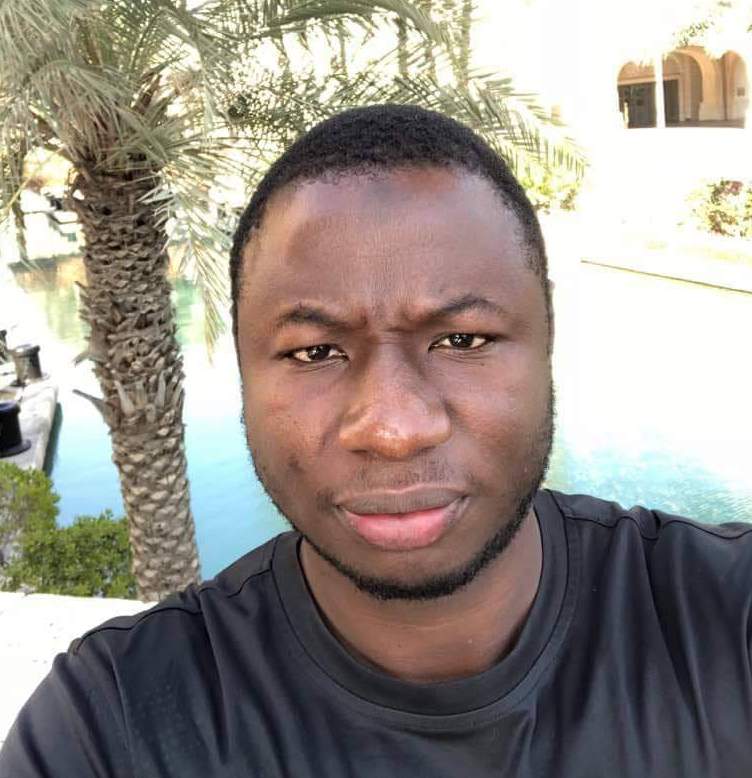
The suspect, Daniel Owusu Koranteng, also known as Akwasi Amakye, was apprehended at a hair-plaiting salon in Amasaman-Adease after sneaking back into the country from the United States.
Ahmed Suale, a member of Tiger Eye Private Investigations, was gunned down near his residence in Madina on January 16, 2019, by unknown assailants.
His killing, which came after he collaborated with the BBC on a high-profile investigative piece, sent shockwaves through the media and human rights community.
Investigators believe that Amakye, a former associate of Tiger Eye PI, leaked sensitive information about Suale’s whereabouts, including sharing his photographs with a prominent Ghanaian politician before his murder.
After being dismissed from Tiger Eye PI, Amakye reportedly maintained ties with Suale before allegedly conspiring against him.
Authorities have linked his involvement to new evidence retrieved by the U.S. Federal Bureau of Investigation (FBI).
Suale’s mobile phones were sent to the U.S. as part of the investigation, and call records extracted revealed conversations between the suspect and the journalist just days before his assassination.
Amakye fled Ghana soon after police began closing in on him, relocating to the U.S. to evade capture.
However, his recent return proved short-lived, as law enforcement officers successfully tracked and detained him.
His arrest has sparked controversy, with reports suggesting that a high-ranking police official is pressuring investigators to release him on police inquiry bail rather than charging him in court.
This alleged interference has reportedly created unease within the Criminal Investigations Department (CID), as officers push to ensure that justice is served without obstruction.
Civil society groups and media organizations have called for transparency in the handling of the case, urging authorities to resist political or institutional pressure.
Suale was instrumental in exposing widespread corruption in African football, particularly within Ghana’s football administration.
His work contributed to the downfall of several officials, making his murder one of the most significant attacks on press freedom in Ghana’s recent history.
The latest arrest marks a major step forward in the investigation, but justice advocates insist that the full network behind Suale’s murder must be uncovered and prosecuted.
The police have yet to confirm whether additional arrests are expected as the case unfolds.