In a compelling show of resilience and determination, five pregnant students and one nursing mother are among the 1,450 candidates sitting for this year’s Basic Education Certificate Examination (BECE) in the Ahafo Ano South-West District of the Ashanti Region — a development that underscores both the challenges and strength of girls pursuing education in rural Ghana.
The candidates, drawn from 52 schools — including 49 public and three private institutions — are being examined across five centres: Mpasaso Basic School, Wioso Basic School, and Mankranso Senior High School Centres A, B, and C.
Despite personal and social hurdles, these young women are continuing their academic journey, a move local authorities describe as a testament to the importance of inclusive education and girl-child empowerment.
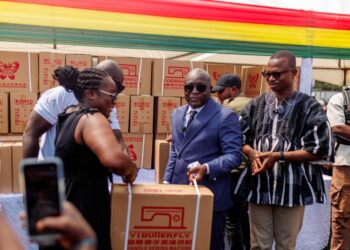
“Their courage should inspire the whole district,” said Mr. Abubakar Sedik, the District Chief Executive (DCE), during a visit to the examination centres. “We must support them and all students to achieve their dreams, regardless of circumstances.”
To further motivate candidates, Mr. Sedik announced a full scholarship package for any student who scores aggregate 6, covering education up to the tertiary level. The initiative, he explained, aims to promote academic excellence and create pathways for talented learners from the district’s often under-resourced schools.
Meanwhile, District Director of Education, Mr. Justin Kwasi Gbortor, encouraged students to rely on their preparation and avoid examination malpractice. He stressed that honesty and discipline were essential traits for future success and warned invigilators against misconduct.
Of the 1,450 candidates, 786 are male and 664 female, with 16 students absent as of the examination’s start. However, the spotlight remains on the visibly determined female candidates overcoming barriers to complete their basic education.
This year’s BECE in Ahafo Ano South-West is not just an academic exercise but also a powerful symbol of perseverance, policy commitment, and the need for continued investment in girl-friendly education systems, especially in rural communities.