Stakeholders in Ghana’s child protection sector are shifting focus to local governance financing, calling for a fixed allocation from the District Assemblies Common Fund (DACF) to address persistent gaps in services at the community level.
At the end of a three-day National Advocacy and Child Protection Workshop held in Accra from April 28 to 30, 2026, participants proposed that at least five per cent of the DACF be ring-fenced specifically for child protection interventions across districts.
The recommendation, captured in a communiqué issued after the workshop, reflects growing concern that despite Ghana’s robust legal frameworks—such as the Children’s Act and the Child and Family Welfare Policy—implementation remains weak at the grassroots due to inadequate funding and poor coordination.
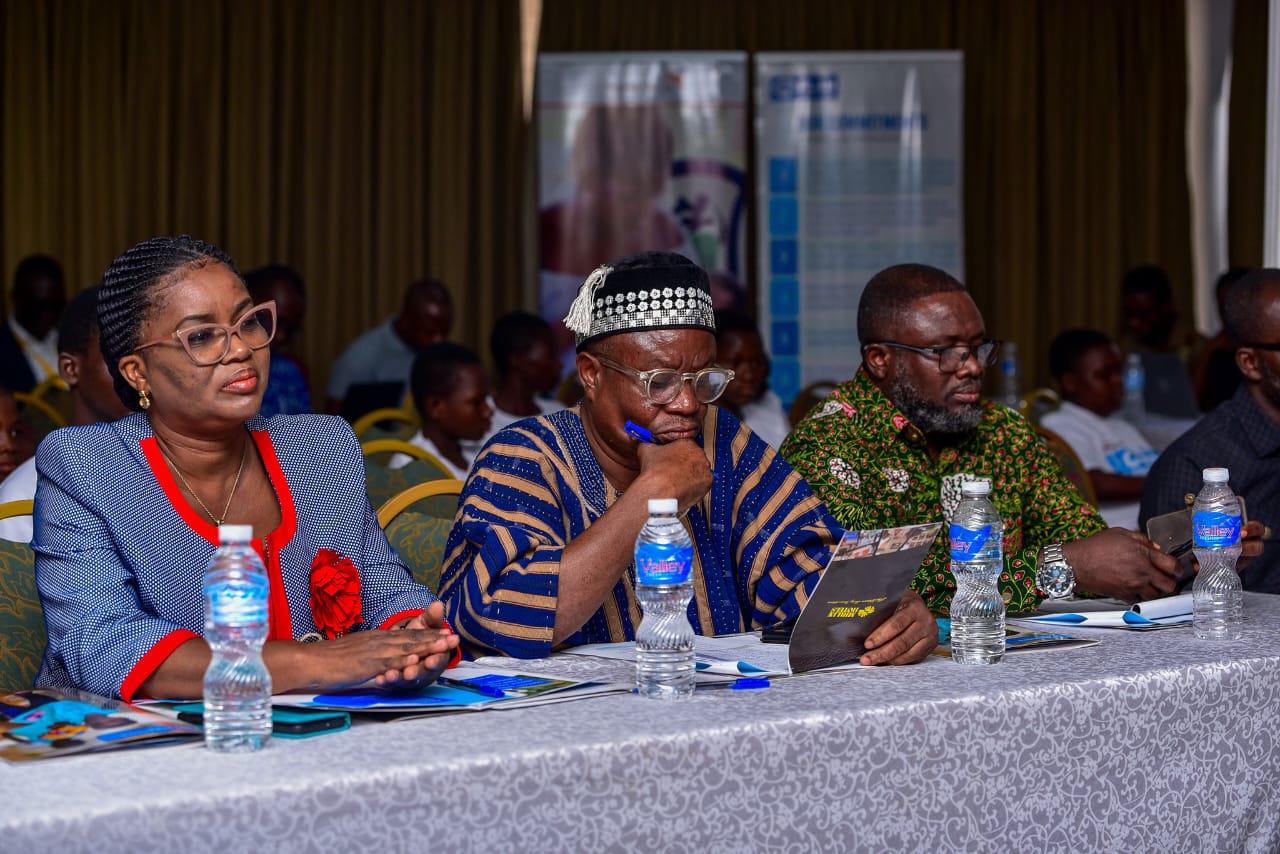
The workshop, organised by SOS Children’s Villages Ghana in collaboration with World Vision Ghana, Plan International Ghana and International Justice Mission, with support from NORAD, brought together policymakers, civil society actors and development partners.
Participants argued that without predictable funding at the district level, efforts to protect vulnerable children would remain fragmented and ineffective. They stressed that decentralised financing would empower local authorities to respond more swiftly to cases of abuse, neglect and exploitation.
Beyond the DACF allocation, stakeholders also advocated the creation of a dedicated national budget line for child protection, alongside urgent institutional reforms to strengthen the Department of Social Welfare and Community Development.
They further pushed for the establishment of functional Child Protection Committees in districts and the creation of integrated “one-stop-shop” centres to streamline services for affected children.
The communiqué also renewed calls for the passage of the Social Workers Bill and the enforcement of licensing requirements to professionalise the sector.
Participants urged Parliament to intensify oversight on funding and implementation, while encouraging civil society groups to align advocacy efforts and generate evidence to inform policy decisions.
The media and the general public were also identified as key actors, with a call for more responsible reporting and increased vigilance in reporting child rights violations.
The renewed push comes amid ongoing concerns that resource constraints, limited workforce capacity and weak coordination continue to undermine child protection outcomes, particularly in underserved communities.
Organisers emphasised that strengthening local financing mechanisms could be a critical step toward translating national commitments into real impact for children across Ghana.