Right to Play Ghana is urging government to urgently deploy more teachers to rural schools and strengthen social welfare services, warning that severe staffing gaps and weak child protection systems are undermining education quality and child safety in several communities.
The organisation says many rural schools are operating far below required staffing levels, with some schools expected to have about nine teachers instead managing with just two. According to officials, this shortage is severely affecting teaching and learning outcomes.
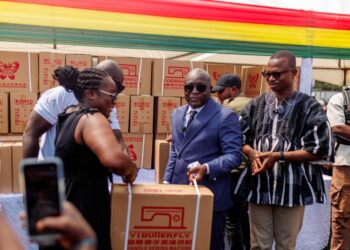
The concerns were raised at the Annual Learning Forum of the “My Life, My Right” Project held at Ejisu. The project is an initiative by Right to Play Ghana, funded by Nyankopa Cocoa and Barry Callebaut, aimed at improving child protection and education in cocoa-growing communities.
Project Manager, Mr. Julius Kwami Tsatsu, said weak logistics support for social welfare officers is also limiting efforts to address child labour and other child-related cases.
He noted that in districts such as Adansi South and Asunafo North, where the project is being implemented, social workers often struggle with transportation challenges. With over 400 communities in each district, he said fewer than five motorbikes are available for follow-ups on child protection cases.
He described the situation as worrying, stressing that inadequate funding and logistics for the Department of Social Welfare is affecting case management and protection services for vulnerable children.
Mr. Tsatsu called for increased budgetary allocation to strengthen social protection systems, including proper resourcing of field officers to ensure timely intervention and resolution of child welfare cases.
The forum, themed “Strengthening Quality Education Through Child Protection and Inclusive Practices,” also reviewed progress made under the project, which currently operates in 50 communities across the Ashanti and Ahafo regions.
Despite the challenges, he reported improvements in community awareness and reporting of child labour cases. He added that 412 teachers have been trained in play-based learning approaches, supported by 100 Teacher Champions across participating schools.
The project has also supported 978 community members to join Village Savings and Loans Associations, with beneficiaries collectively generating over GH¢1.6 million. Many participants are using the funds to expand small businesses, pay school fees, and support farming activities.
Interim Country Director for Right to Play Ghana, Mr. Iljitsj Wemerman, called for stronger collaboration among government institutions, civil society, and development partners to bridge the gap between policy and implementation in child protection and education.
He stressed that sustained partnership is essential to ensure that gains made at community level are translated into lasting national impact.