Several island communities in the Ada area of the Greater Accra Region are grappling with a worsening water crisis after the River Volta turned saline, making it unsafe for drinking and domestic use.
Communities such as Azizakpe, Alorkpem, and Aflive, which depend heavily on the river for their daily water needs, have been hardest hit by the development, which residents attribute to seawater intrusion from the nearby estuary.
Speaking to the Ghana News Agency (GNA), the Assembly Member for the area, Mr Evans Lawer Adusu, said the situation, though not new, has persisted unusually longer this time, creating severe hardship for residents.
“This is not the first time, but it has lasted longer than usual. Life has become very difficult for the people because the main source of water is now unusable,” he said.
He explained that the river serves as the primary source of drinking water for many households, with some residents relying on sachet water as a supplementary option for survival.
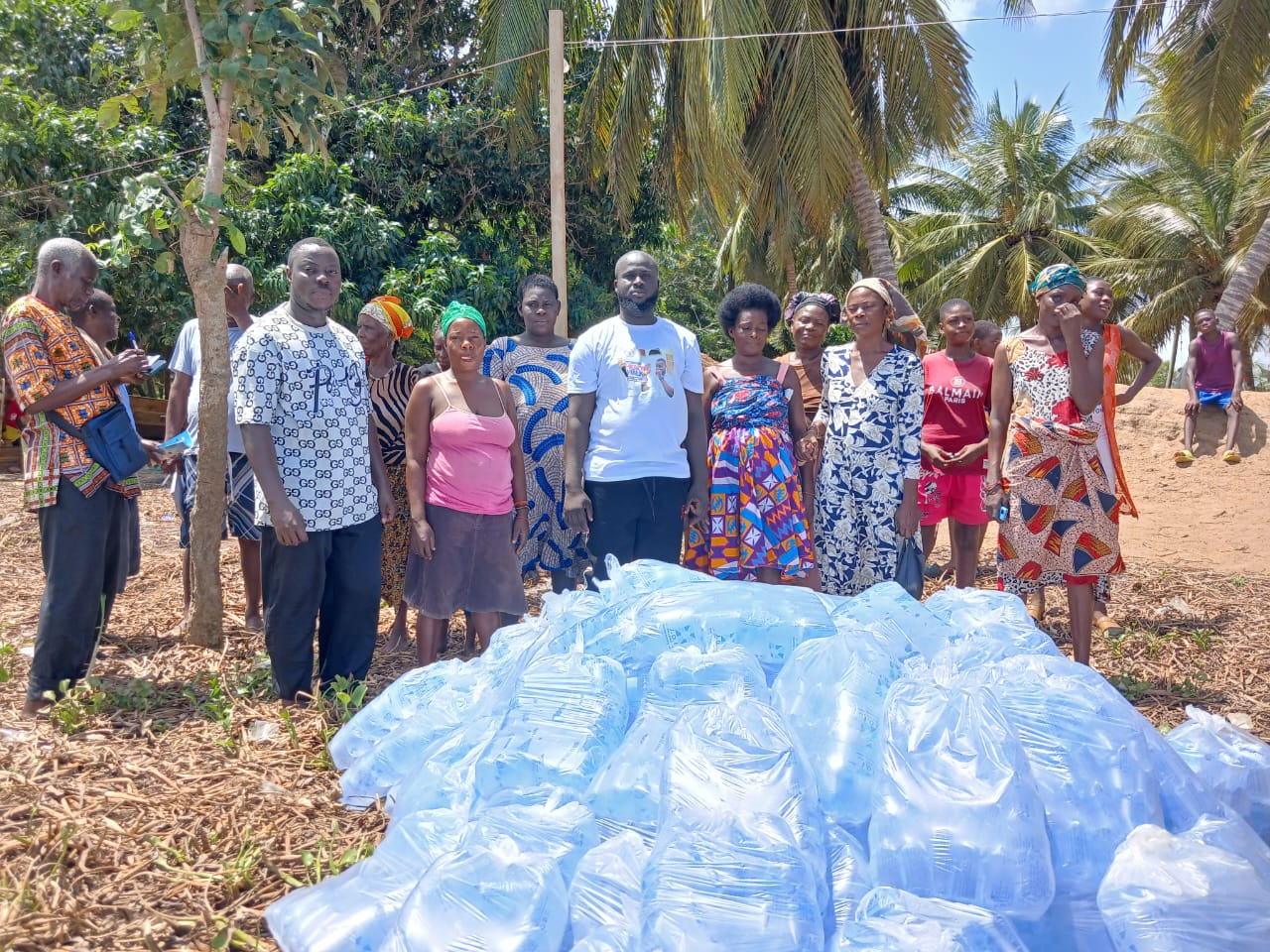
Mr Adusu said he had engaged stakeholders to respond to the crisis, resulting in the donation of 350 bags of sachet water to affected communities, though he acknowledged that the support was far from sufficient.
In a related effort, the Assembly Member for the Bedeku Electoral Area, Mr Abraham Teye Korley, also donated sachet water to the affected communities, stressing that humanitarian support should not be restricted by electoral boundaries.
“I believe that electoral boundaries should not limit development and well-being. When one community is in distress, it affects all of us,” he said.
Despite these interventions, residents say the relief is temporary and does not address the scale of the crisis, as demand for safe drinking water continues to rise.
They have therefore appealed to government agencies, development partners, NGOs, and philanthropists to urgently intervene with sustainable water solutions, including the provision of potable water systems.
The situation highlights the growing vulnerability of coastal and estuarine communities in Ghana to environmental changes, particularly saltwater intrusion, which continues to threaten freshwater sources and livelihoods.