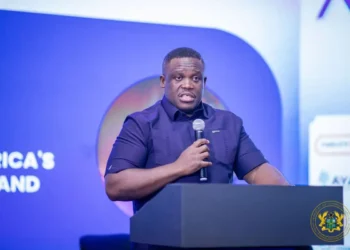
A heated parliamentary debate is underway in South Africa over Communications Minister Solly Malatsi’s proposal to allow Elon Musk’s Starlink satellite internet service to operate without strictly adhering to the country’s Black Economic Empowerment (BEE) ownership rules. The proposal, which offers an “equity equivalent” alternative to traditional Black ownership requirements, has ignited broader discussions about balancing economic transformation with attracting foreign investment and technological advancement.
Critics from across political parties, including the ruling African National Congress (ANC) and the Economic Freedom Fighters (EFF), warn that loosening BEE rules risks undermining decades of efforts to correct historic economic injustices. Opponents argue the directive could open the door for international corporations to bypass important empowerment standards, thereby favoring multinational businesses over the interests of previously disadvantaged South Africans.
Minister Malatsi defends the move as a necessary update to outdated regulations, aiming to boost investment and expand critical services—particularly in underserved rural areas where internet access remains scarce. Supporters say Starlink’s satellite technology could revolutionize connectivity for millions currently offline.
The controversy also touches on concerns about national sovereignty and external influence, especially given the timing shortly after President Ramaphosa’s meeting with former U.S. President Donald Trump and Elon Musk in Washington.
This dispute encapsulates South Africa’s ongoing struggle to reconcile its legacy of racial inequality with the demands of a modern, competitive economy. As Parliament reviews the proposal and its legal standing, the outcome could have lasting implications for the country’s approach to economic empowerment and its openness to global tech innovation.