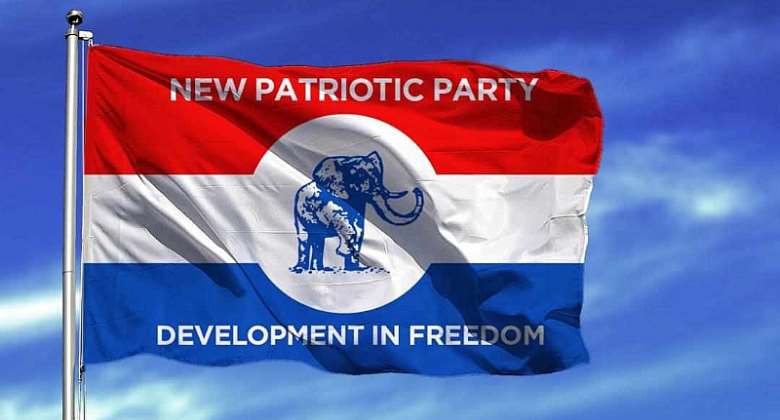
The New Patriotic Party’s (NPP) decision to hold its presidential primaries on January 31, 2026, marks a strategic and forward-thinking step in Ghana’s evolving democratic landscape. Announced by General Secretary Justin Frimpong Kodua and endorsed by the party’s National Council, the move positions the NPP to enter the 2028 electoral race with a clear head start over its rivals.
The choice to settle the primaries early offers significant political advantage.
It allows the party’s eventual flagbearer ample time to build national visibility, consolidate internal support, and engage meaningfully with domestic and international stakeholders.
In a country where late primaries often leave candidates scrambling to unify fractured party bases or define coherent policy visions, this approach gives the NPP the breathing room to align its campaign with real policy substance rather than hurried slogans.
Moreover, the early primary aligns with recommendations from the NPP’s Constitution Review Committee, signaling a maturing internal democracy within the party.
By moving the timeline forward and establishing a nine-member planning committee, chaired by the experienced Joseph Osei Owusu, the party appears intent on ensuring that process, structure, and transparency take precedence over factional advantage.
However, the test will not lie in the date alone.
The true measure of the NPP’s commitment to democratic deepening will be how it conducts the primaries—whether all aspirants are given equal access to the grassroots, whether internal elections are fair, and whether party resources are used impartially. The promised code of conduct and clear nomination procedures must not only exist on paper but be enforced with rigor.
This decision also sends a broader message to Ghana’s political ecosystem: that elections are not events but processes. It is a reminder that effective political leadership begins long before ballots are cast.
In this light, CURRENT ISSUES thinks that, other political parties, especially the ruling National Democratic Congress (NDC), may also consider recalibrating their timelines and structures to match the evolving expectations of Ghanaian voters who now demand clarity, competence, and consistency.
In the end, an early primary is not a silver bullet. It must be matched with compelling vision, unity, and discipline.
But if handled well, the NPP could turn this decision into a decisive moment in its bid to return to power.
Ghana’s democracy is better served when all parties compete on the strength of ideas—not on the chaos of last-minute manoeuvres. On that note, we commend the NPP for taking a step in the right direction.
The challenge now is to deliver on the promise.