
















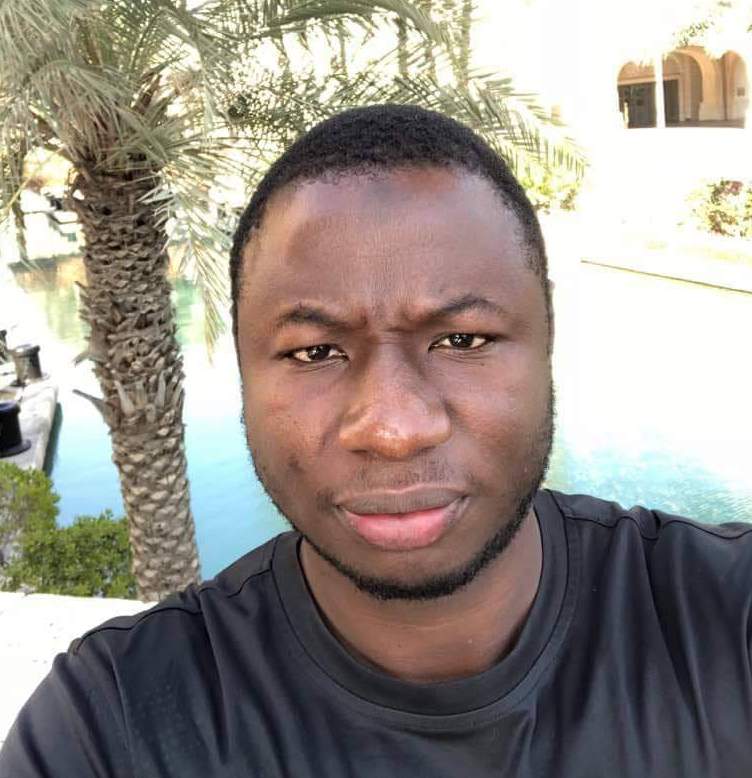
After years of stalled investigations into the murder of undercover journalist Ahmed Hussein-Suale, authorities have made a major breakthrough with the arrest and remand of Daniel Owusu Koranteng, the Managing Director of ISPY Company.
Koranteng, also known as Akwase Amakye, appeared before the Madina Magistrates’ Court, where he was charged provisionally with murder. His arrest is the first in connection to Suale’s assassination, a case that has long raised concerns over journalist safety in Ghana.
Suale, a member of Tiger Eye PI, was gunned down near his family home in Madina on January 16, 2019. His investigative work—particularly his collaboration with the BBC on an exposé that uncovered corruption in African football—is widely believed to have made him a target.
The case gained international attention, with press freedom groups and human rights organizations calling for justice.
Koranteng’s arrest follows an extensive investigation led by the FBI in the United States, in collaboration with Ghanaian law enforcement.
According to police prosecutors, phone records obtained during the investigation linked Koranteng to Suale in the days leading up to the killing.
Further evidence suggests that Koranteng was in the journalist’s neighbourhood on the night of the murder, raising suspicions about his involvement.
One of the most damning allegations against him is that he took photographs of Suale and allegedly sold them to Ghanaian politician Kennedy Agyapong.
Agyapong had previously displayed the journalist’s photos on national television, urging his supporters to “deal with him” if they ever saw him.
Prosecutors claim that Suale’s lawyer identified Koranteng as the individual who sold the photos, a key piece of evidence in the ongoing case.
Koranteng, however, denies selling the images to Agyapong and has pleaded not guilty to the murder charge.
His lawyer, Kofi Essel, dismissed the charge as “shambolic,” arguing that there is no direct evidence linking his client to the murder.
“The prosecution has not provided any solid proof that directly implicates my client,” he stated, seeking bail for Koranteng.
However, Magistrate Suzzy Nyakotey denied the request, adjourning the case until April 1 to allow for further investigations.
During the hearing, the court raised a crucial legal question: does selling photographs alone amount to an offense serious enough to warrant a murder charge?
As the investigation unfolds, security officials are hopeful that Koranteng’s arrest will expose more details about the masterminds behind Suale’s murder.
The case remains a pivotal moment for press freedom in Ghana, as many await whether this arrest will finally lead to justice for the slain journalist.






