
















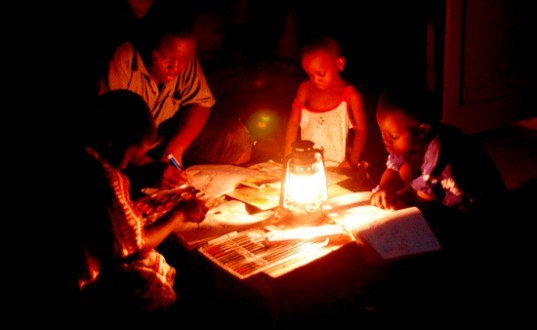
The recent fire outbreak within the Akosombo power enclave is taking a heavy toll on local economies in Central, South and North Tongu, as persistent electricity disruptions continue to affect livelihoods and business operations.
The April 23 incident, which damaged key infrastructure in Ghana’s power transmission system, has led to a significant drop in supply—estimated at nearly 1,000 megawatts—forcing authorities to implement load management across several parts of the country.
In the Tongu areas, the impact has been immediate and severe. Businesses reliant on stable electricity, particularly those dealing in perishable goods, are struggling to cope with frequent and unannounced outages.
Cold store operators and traders say they are incurring substantial losses as stored products spoil during prolonged power cuts. Others warn that customer trust is eroding due to inconsistent service delivery.
Artisans and small-scale service providers are equally affected, citing reduced productivity and rising costs as they turn to generators to keep operations running. Many describe the situation as unsustainable if it persists.
The Electricity Company of Ghana has acknowledged the disruptions, explaining that engineers are working to stabilise the grid following the damage caused by the fire.
Meanwhile, the Ministry of Energy and Green Transition has initiated investigations into the incident and directed changes in leadership within the sector, including asking the Chief Executive Officer of the Ghana Grid Company to step aside pending a full probe.
Despite these measures, anxiety remains high among residents and businesses, many of whom are calling for clearer communication from authorities, including a structured load-shedding timetable to help them plan and minimise losses.
With economic activities slowing and uncertainty growing, stakeholders warn that without swift and decisive action, the ripple effects of the power disruptions could deepen across the Tongu enclave and beyond.






