The Global Media Foundation LBG (GloMeF), a human rights and media advocacy organisation, has renewed calls for African governments to prioritise investment in digital education to ensure inclusive learning across the continent.
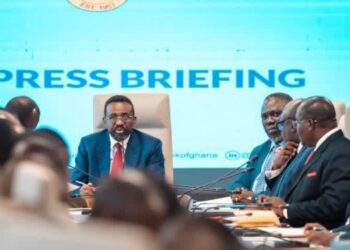
Speaking on the sidelines of the 19th International Conference and Exhibition on Digital Education, Training and Skills Development in Accra, the foundation stressed that digital learning has become essential in preparing Africa’s youth for the future economy.
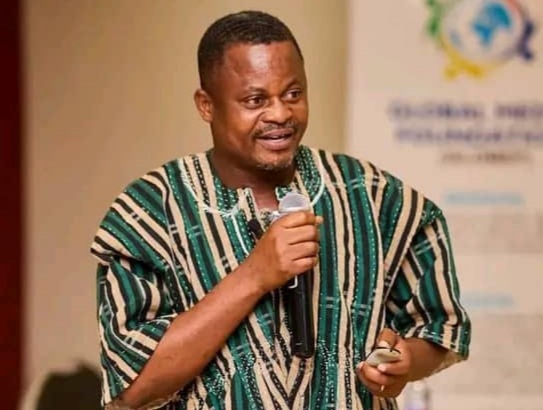
In a statement signed by its Founder and Chief Executive Officer, Raphael Godlove Ahenu, GloMeF warned that without urgent action, the growing digital divide between urban and rural communities could deepen existing educational inequalities.
The organisation noted that while many African countries have adopted digital education policies, millions of children in rural and underserved areas still lack access to basic tools such as computers, reliable internet, electricity, and learning software.
It argued that digital education presents a major opportunity to transform teaching and learning outcomes, but only if governments commit sufficient resources to infrastructure and technology expansion.
GloMeF urged policymakers to increase budgetary allocations for digital learning, expand internet connectivity in schools, provide devices for students, and establish community-based technology centres to support access in remote areas.
The foundation also called for stronger collaboration between governments, the private sector, development partners, and international organisations to mobilise funding and technical support for digital inclusion initiatives.
According to the statement, integrating digital skills into national curricula is critical to equipping students for emerging opportunities in innovation, entrepreneurship, and the global digital economy.
It further emphasised that countries investing in digital education today would be better positioned to compete globally, create jobs, and drive sustainable development in the future.
GloMeF concluded that digital access should be treated as a basic educational necessity rather than a privilege, insisting that no child should be left behind due to geography or poverty.
With sustained investment and political commitment, the organisation expressed optimism that Africa can bridge the digital divide and build an inclusive education system that empowers all learners.