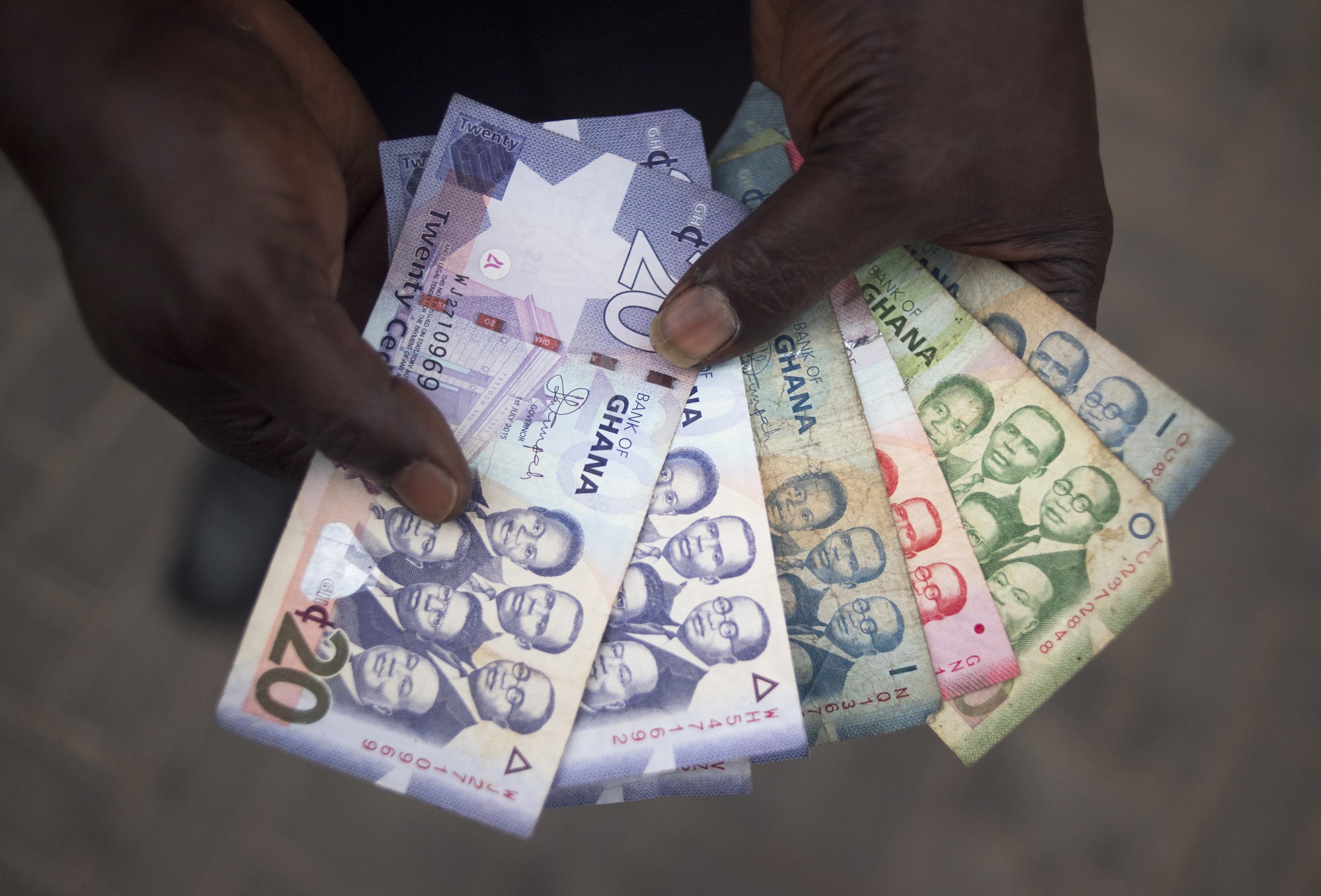
The Ghana cedi is expected to remain relatively stable in the medium term despite recent depreciation pressures, according to PricewaterhouseCoopers (PwC) Ghana.
PwC Ghana Country Senior Partner, Mr Vish Ashiagbor, said the recent interventions by the Bank of Ghana (BoG) to increase dollar supply in the foreign exchange market had helped to calm pressures on the local currency and strengthen market confidence.
Speaking on the sidelines of the launch of PwC Ghana’s 2026 Banking Survey, Mr Ashiagbor acknowledged that the cedi had faced some pressure in recent weeks but expressed optimism that the currency would continue to trade within its current range.
“We’ve seen the cedi come under a little bit of pressure recently, but we’ve also seen in the last couple of days the Bank of Ghana injecting some dollars into the market to stabilise the cedi,” he said.
He added that from a medium-term perspective, PwC expects the local currency to maintain relative stability due to ongoing measures aimed at improving foreign exchange liquidity.
The comments follow the Bank of Ghana’s injection of US$2.01 billion into the foreign exchange market in June 2026 as part of efforts to address increased demand for foreign currency and support the cedi.
The intervention included US$1.2 billion through the Forex Intermediation Programme and an additional US$811 million under the Bank’s Foreign Exchange Intervention Programme.
Mr Ashiagbor said such measures were important in managing short-term volatility and ensuring businesses and investors maintained confidence in the country’s foreign exchange market.
The PwC executive’s assessment comes amid broader discussions about exchange rate stability, inflation management and the need to strengthen Ghana’s macroeconomic fundamentals to sustain economic recovery.
He maintained that with continued policy support and improved market conditions, the cedi’s outlook remains positive over the medium term.