Telecel Ghana has raised concerns over the growing damage to telecommunications infrastructure, warning that fibre cuts, vandalism and theft are undermining efforts to provide reliable voice and data services across the country.
The company said the increasing incidence of damage to fibre infrastructure, particularly during road construction and excavation activities, remained a major threat to network reliability and could disrupt services well beyond the immediate location of an incident.
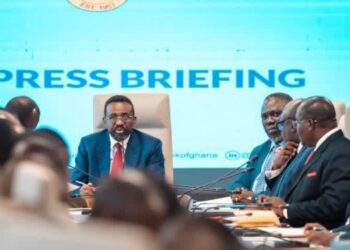
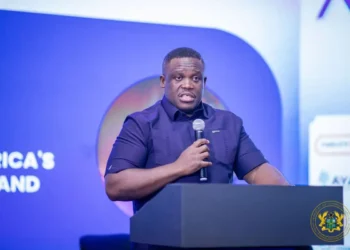
Telecel Ghana’s Director of External Affairs, Mr Komla Buami, made the observation at a media roundtable organised by the company for editors and journalists from the Western and Central regions.
He said road construction activities were among the major causes of fibre cuts, while deliberate vandalism and the theft of telecommunications infrastructure were also contributing to service disruptions.
Mr Buami explained that fibre networks were critical components of the telecommunications infrastructure because they carried large volumes of voice and data traffic across different locations.
Consequently, damage to a fibre route in one area could have wider implications for customers and businesses relying on the network in other parts of the country.
He appealed to contractors, communities and other stakeholders involved in construction and excavation works to exercise greater caution around telecommunications infrastructure.
According to him, greater coordination and awareness among contractors and other users of public infrastructure could help reduce avoidable damage and the resulting interruptions to telecommunications services.
Mr Buami also expressed concern over the theft of fibre chamber covers, saying the practice exposed critical infrastructure to further damage and created additional operational difficulties for network operators.
He called for greater community vigilance and cooperation to protect telecommunications installations and prevent criminal activities that could affect the quality and availability of network services.
The concerns come as Telecel Ghana continues to invest in network expansion and upgrades aimed at improving coverage and service quality, particularly in underserved communities and the hinterland.
Mr Buami said the company’s infrastructure investments were intended to ensure that customers had access to reliable voice and data services as demand for digital connectivity continued to grow.
He noted that dependable telecommunications services had become increasingly important to Ghana’s socio-economic development, with individuals, businesses and institutions relying heavily on digital platforms and connectivity.
Against this background, he said protecting existing infrastructure was just as important as investing in new network facilities.
Mr Buami also called for stronger collaboration between telecommunications companies, the media and other stakeholders to improve public understanding of the sector’s investments and challenges.
He said the media played an important role in educating the public and drawing attention to issues that directly affected consumers.
“Editors occupy a unique space in the communities we serve; you help shape public discourse, bring important issues to the fore, and ensure that people have access to credible information,” he said.
The company believes stronger stakeholder cooperation will be critical to protecting telecommunications infrastructure and ensuring that network investments translate into more reliable connectivity for consumers across Ghana.