Labour analyst Austin Gamey has challenged government plans to introduce a new Labour Act, arguing that Ghana’s current labour legislation already contains adequate provisions to address modern workplace challenges and evolving employment trends.
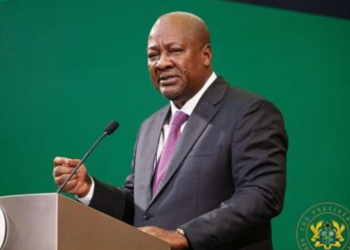
His remarks come after President John Dramani Mahama announced that government was close to finalising a new labour bill intended to provide legal protection for workers in emerging sectors such as remote work, digital platforms and the gig economy.
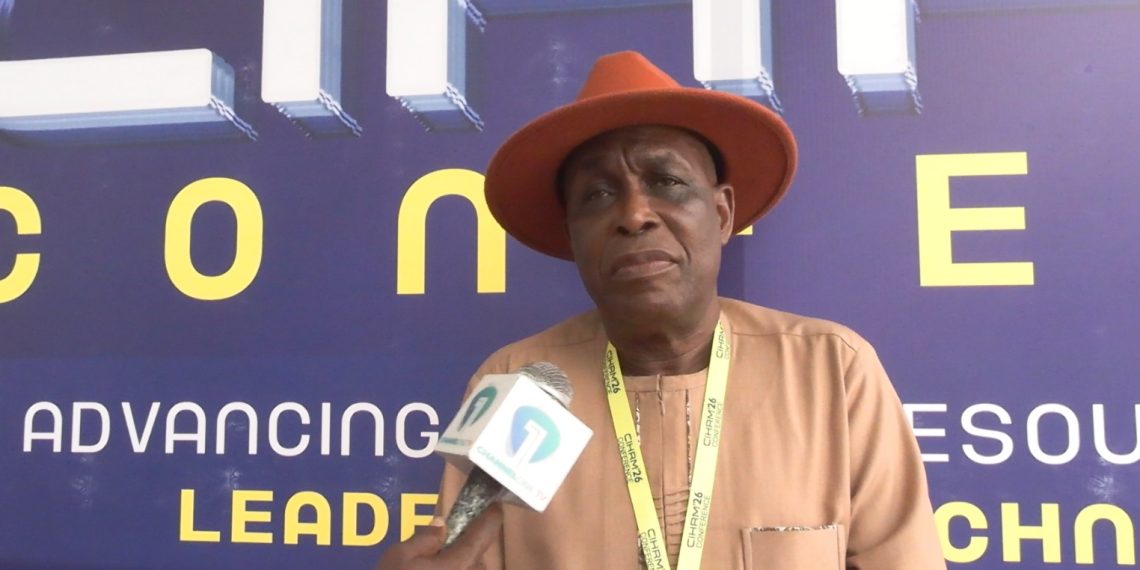
Speaking on the sidelines of the 2026 Chartered Institute of Human Resource Management (CIHRM) Conference in Accra, Mr Gamey maintained that the country’s labour relations framework does not require a complete overhaul.
According to him, the priority should be ensuring effective implementation of existing laws rather than drafting entirely new legislation.
“Everything that needs to be talked about as far as labour relations is concerned is provided for in the current law,” he stated.
Mr Gamey argued that many of the proposed reforms could be addressed through subsidiary legislation, regulations and Legislative Instruments rather than replacing the current legal framework.
“They have actually lifted 651 into the new bill and added the Factories, Offices and Shops Act and expanded certain things which could have gone into the LI and regulations and not necessarily having a new bill,” he explained.
The labour expert warned that introducing a new law could create additional difficulties for employers, workers and labour practitioners who are still grappling with the interpretation and implementation of the existing Labour Act.
“The present one, if we are unable to implement it, people don’t have the knowledge about how to implement it. If we are going to have a new one, it’s going to create a lot more problems,” he cautioned.
Government has argued that the proposed legislation is necessary to align Ghana’s labour framework with changing global work patterns and to guarantee fair contracts, social protection and workplace rights for workers in emerging sectors.
However, Mr Gamey’s comments have added momentum to the growing debate over whether Ghana needs a new labour law or stronger enforcement of the existing legal framework.
The discussion formed part of deliberations at the 2026 CIHRM Conference, which concluded with the unveiling of the Institute’s 2027 conference scheduled for June 23-24, 2027.