Candidates preparing for the 2026 Basic Education Certificate Examination (BECE), which begins on Monday, May 4, are facing disruptions in their final revision due to persistent power outages affecting both public and private households.
Reports gathered by the Ghana News Agency show growing concern among students, teachers, and parents, as frequent evening blackouts are reducing study time and affecting concentration ahead of the crucial national examination.
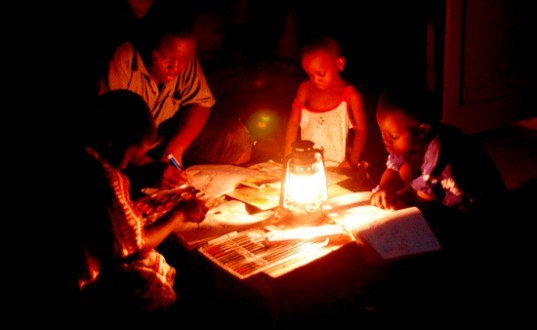
Many candidates say they are forced to rely on torchlights, rechargeable lamps, and candles to continue studying at night, though these alternatives are often inconsistent and uncomfortable.
A candidate, Miriam Addae Nyarko, said sudden power cuts interrupt revision sessions and make it difficult to retain what is studied.
“I sometimes forget what I have studied while waiting for power to come back,” she said.
Another candidate, Pamela Dansua, described studying under poor lighting as physically exhausting, noting eye strain, heat discomfort, and reduced sleep quality as major challenges affecting her school performance.
Kelvin Yahya also expressed concern that the irregular electricity supply has disrupted his exam preparation and overall readiness.
Teachers say the situation is also affecting classroom performance, as students arrive fatigued due to poor sleep and difficult home study conditions.
A teacher at Valley School in Tema New Town, Ms Nicolina Duku, said schools have adjusted revision timetables to daytime hours to make better use of natural light.
At Sky Educational Institute, Mr Oman Phillips said supervised study sessions have been introduced, but evening preparation time has significantly reduced.
Parents are also feeling the pressure, with many spending extra money on fuel, batteries, and alternative lighting sources to support their wards.
One parent, Mrs Faustina Oware, said she often stays awake during outages to supervise her child’s studies, while Madam Felicia Kyere raised concerns about the health risks of prolonged study under poor lighting conditions.
They are calling for a more stable electricity supply or a clear load-shedding schedule to help families plan effectively during the exam period.
Despite the challenges, some students remain confident, saying their consistent long-term preparation could help them cope with the disruptions.
Meanwhile, government has assured the public of improved power stability following the restoration of full generation capacity at the Akosombo Dam, promising a more reliable electricity supply going forward.