
















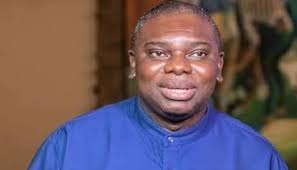
As concerns mount over the potential rise in youth gambling following the government’s recent scrapping of taxes on betting winnings, the Administrator of the District Assemblies Common Fund (DACF), Michael Harry Yamson, has issued a strong reminder to young Ghanaians: “Betting is not a job.”
In a conversation with Citi News, Mr. Yamson cautioned that while the removal of the betting tax is meant to support the sector’s economic potential, it must not be misconstrued as an endorsement of betting as a means of survival.
“Betting should be seen strictly as a form of entertainment,” he stressed. “It is not, and should never be, viewed as a source of livelihood—especially by young people seeking financial stability.”
The tax removal has drawn criticism from faith-based groups, educators, and civil society organizations, who fear it could exacerbate gambling addiction and derail youth development. Mr. Yamson acknowledged these concerns, stating that while the policy aims to unlock growth in the digital economy, it is equally crucial to safeguard the public—particularly the youth—from falling into harmful behavioral patterns.
Mr. Yamson also pointed to the rising trend of underage betting, calling on betting operators to strictly adhere to regulations prohibiting access by minors.
“We cannot allow 10- or 11-year-olds to gamble online. It’s dangerous and illegal,” he said.
To counter this, he revealed plans for a collaborative digital strategy that would employ tools like the Ghana Card to authenticate users and restrict underage access to betting platforms.
“We are exploring technological interventions with stakeholders in the digital space to ensure that identity verification is enforced and young people are protected,” he explained.
With the future of Ghana’s youth in focus, Mr. Yamson appealed directly to young Ghanaians to channel their energy into skill-building, entrepreneurship, and education—not quick wins through betting.
“There is no substitute for hard work and long-term vision,” he concluded. “Let us not lose our youth to false hopes when the nation needs their potential the most.”






