By: Perdita Agyarko
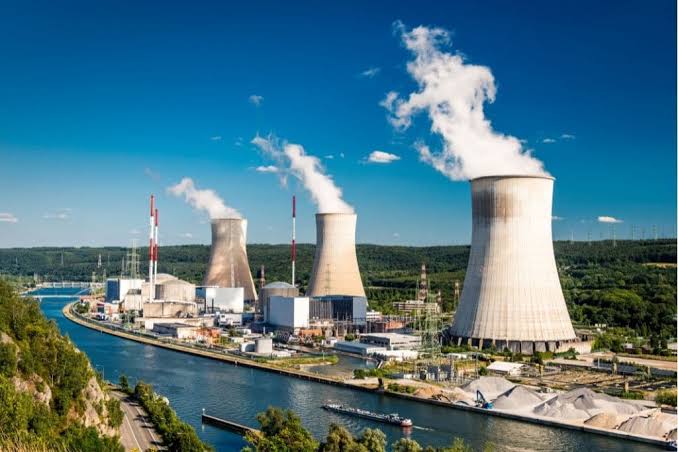
As Ghana advances its Nuclear Power Programme to anchor its future clean energy transition, the country’s newsrooms face an unprecedented technological shift. Artificial Intelligence tools are rapidly entering editorial workflows, offering extraordinary speed in analyzing technical documents, transcribing interviews, and tracking public discussions. However, in nuclear journalism—where the public cost of a mistake is exceptionally high—unverified speed poses a direct threat to accuracy, safety, and media credibility.
To report on nuclear energy safely and ethically, journalists must treat AI strictly as a research assistant for orientation, never as an authoritative substitute for human judgment.
The AI Advantage: Research and Orientation
Covering nuclear infrastructure requires sifting through dense regulatory frameworks, environmental impact assessments, and complex scientific metrics. When used responsibly, AI accelerates the reporting process without bypassing editorial standards. Generative tools can help reporters translate complex technical jargon into accessible language, outline story structures, spot analytical gaps, and prepare targeted interview questions for nuclear scientists.
To achieve this without compromising story quality, reporters must adopt structured prompt formulas. A professional prompt must explicitly define the AI’s role, target audience, specific task, source documents, operational constraints, and expected output. Crucially, every prompt must end by requiring the AI to mark uncertainties and list every claim that requires independent confirmation.
The Perils of Hallucinated Science
Despite these advantages, newsrooms must recognize a fundamental reality: fluency is merely a style of writing, not evidence. Large language models produce text with persuasive confidence, but the wrong answer arrives in the exact same fluent tone as the correct one. Relying on unverified AI outputs risks introducing hallucinated facts, fabricated citations, outdated regulatory data, or transposed numbers into public broadcasts.
In nuclear coverage, minor wording errors fundamentally alter meaning and can trigger unnecessary public alarm. Conflating distinct scientific concepts—such as confusing radiation dose with radioactive contamination, activity, or radiation exposure—distorts safety assessments. Furthermore, pasting confidential policy drafts, internal site reports, or sensitive source details into public AI tools creates severe security breaches and violates source protection.
The 5-Link Verification Chain
To ensure artificial intelligence strengthens rather than weakens nuclear coverage, journalists must apply a mandatory five-link verification chain before publishing:
AI Output: Treat all generated material strictly as an unverified starting point or research lead.
Named Source: Identify, contact, and interview verified, real-world subject matter experts.
Primary Evidence: Cross-reference all technical figures, units, and claims directly against official reports and primary regulatory documentation.
Independent Check: Perform an independent secondary review to catch transposed figures, wrong metrics, or missing context.
Editorial Judgment: Apply human ethical reasoning, contextual proportion, and public interest considerations.
Skipping a single link in this chain means a journalist is no longer reporting—they are merely repeating unverified statements. Key duties, including verifying facts, protecting sources, ensuring fairness, interpreting sensitive evidence, and weighing public risk, must remain with human professionals who can be named and held accountable.
Safeguarding Public Trust
Public trust is the ultimate currency of Ghana’s nuclear development. Nuclear rumors and misinformation travel rapidly across digital platforms, but sustained, accurate reporting builds long-term public confidence. AI can augment journalism and accelerate research, but human verification, ethical responsibility, and professional accountability remain the irreplaceable foundation of public trust.