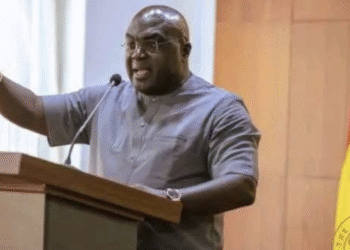
A public disagreement between Finance Minister, Cassiel Ato Forson, and Food and Agriculture Minister, Eric Opoku, over the release of more than GH¢1.6 billion to the agriculture sector is drawing attention to growing discussions about succession within the governing National Democratic Congress (NDC).
Although the dispute centres on budgetary allocations and expenditure approvals, political analysts say it has sparked renewed debate about the party’s future leadership landscape beyond the presidency of John Dramani Mahama.
The two ministers have increasingly been mentioned in political circles as potential contenders in a future NDC flagbearership race, despite neither publicly expressing interest in seeking the party’s top job. As a result, observers say disagreements that might ordinarily be viewed as administrative or policy-related are now being interpreted through a political lens.
Some analysts argue that concerns among supporters of the Agriculture Minister stem from fears that limitations on funding could affect the implementation of major agricultural initiatives, potentially impacting the ministry’s performance and public perception.
Others, however, maintain that the Finance Ministry’s position reflects its broader mandate to enforce fiscal discipline and ensure government spending remains within approved budgetary frameworks as authorities pursue economic stability.
The development comes at a time when the NDC leadership is seeking to discourage premature succession debates. Recent discussions involving senior party figures have heightened concerns about internal jockeying ahead of any future leadership contest.
Those concerns prompted intervention from the party’s Council of Elders, which urged members to avoid activities that could be interpreted as early campaigning and instead concentrate on supporting the government’s policy agenda.
Political observers say the latest exchange between the two ministries risks reinforcing perceptions of emerging factions within government, even though the disagreement itself revolves around public finance management and budget execution.
While neither ministry has connected the matter to internal party politics, analysts note that growing interest in the NDC’s post-Mahama future means that disputes among senior government officials are increasingly likely to attract political interpretation.
For now, attention remains focused on whether the disagreement will be resolved through routine government processes or continue to fuel speculation about the shape of the NDC’s next generation of leadership.