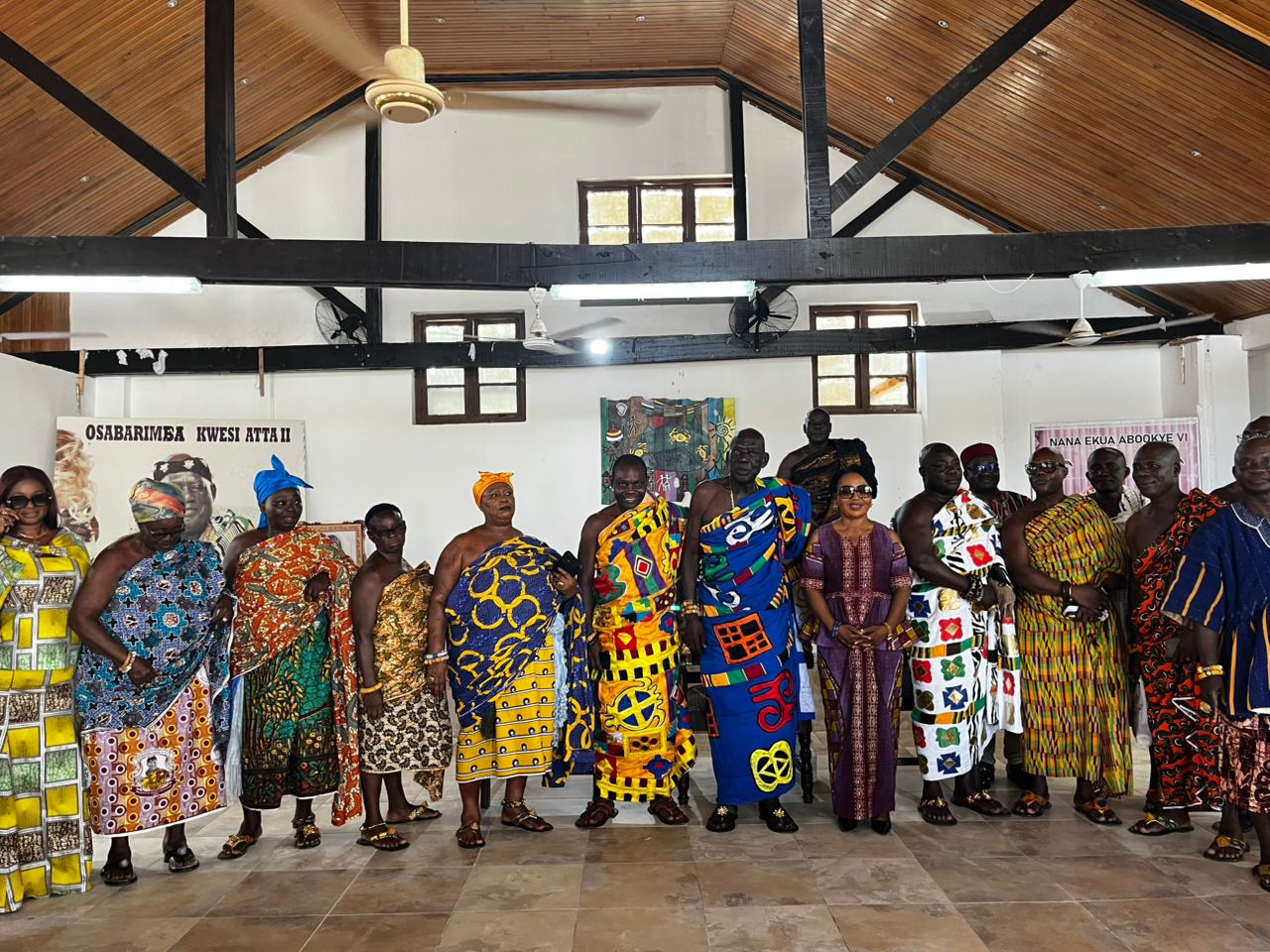
Traditional authorities in Cape Coast are stepping up efforts to tackle the increasing rate of cohabitation among young people, following renewed collaboration with the Central Regional Directorate of the Department of Gender.
The initiative, led by the Department of Gender in partnership with the Central Regional Coordinating Council and supported by the United Nations Population Fund (UNFPA), seeks to empower chiefs and queen mothers to help address what officials describe as a growing social concern in the Cape Coast Metropolis.
Speaking during a training programme for traditional leaders in Cape Coast, the Head of the Department of Gender in the Central Region, Madam Richlove Amamoo, said the increasing number of young people living together outside marriage had become a major concern due to its impact on education, health, and family development.
According to her, economic hardship, peer pressure, and weak parental supervision are among the key factors driving the trend.
“Our chiefs and queen mothers wield enormous influence in their communities. Their involvement is critical in educating families and helping young people make informed and responsible decisions,” Madam Amamoo stated.
She disclosed that records from the Department of Gender showed that more than 1,477 young people were involved in cohabitation in 2024, a figure she described as alarming.
Madam Amamoo warned that the rising cases could expose adolescents to serious risks, including school dropout, teenage pregnancy, child abuse, and sexually transmitted infections.
She stressed that the partnership with traditional authorities would also help enforce community by-laws aimed at preventing underage cohabitation, child marriage, and other harmful practices affecting young girls.
The Gender Department further raised concerns over increasing HIV/AIDS cases in Cape Coast and urged stakeholders to work together to protect vulnerable youth.
Some queen mothers who attended the programme blamed the trend on poverty, broken homes, and inadequate parental care, and called for stronger empowerment initiatives for girls.
Nana Kwame Menyah V, Kyidomhen of the Oguaa Traditional Area, called for broader collaboration involving religious organisations, civil society groups, and the media to help reverse the trend.
He said addressing youth cohabitation requires a united effort from all sectors of society.
The Department of Gender says it remains committed to protecting young people and using traditional institutions to drive positive behavioural change across the Central Region.