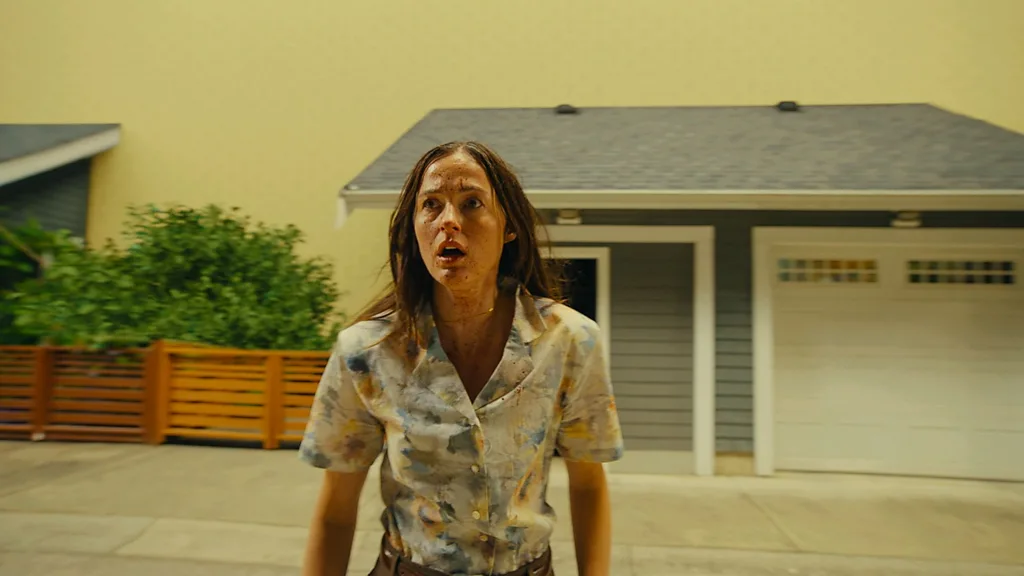
A new wave of low-budget horror films created by young filmmakers is outperforming major Hollywood blockbusters, raising questions about the future direction of the global film industry.
Recent box office figures suggest that independently produced horror titles such as Backrooms and Obsession are generating unexpectedly strong returns, while high-budget franchise films like Masters of the Universe and The Mandalorian and Grogu are underperforming in theatres.
Industry analysts say the trend reflects a growing preference among younger audiences for original storytelling over familiar intellectual property (IP). Despite their modest production budgets, the indie films have attracted large cinema audiences and delivered significant profits, with some earning hundreds of millions globally.
By contrast, the latest studio tentpoles, each carrying production and marketing costs well above $150 million, are struggling to reach break-even targets, intensifying concerns over the sustainability of the traditional blockbuster model.
Film commentators argue that the shift is being driven largely by Gen Z audiences, who are more likely to seek out experimental, discussion-driven content and shared cinema experiences. Many of these younger directors, they note, developed their craft through online platforms such as YouTube rather than formal film schools.
The success of the horror genre, in particular, is being linked to its low production costs and strong appeal in communal viewing settings, where audience reactions enhance the experience.
While major studios are expected to continue investing in established franchises, analysts suggest they may increasingly look toward younger creators and smaller, original projects to reconnect with evolving audience tastes.