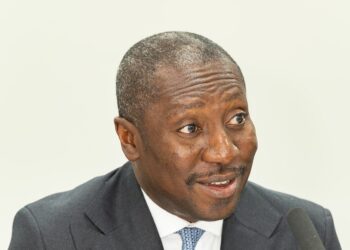
Executive Director of Education Watch Africa, Mr. Kofi Asare, has raised concerns about Ghana’s unpreparedness for a green economy, revealing that only 25 per cent of Technical and Vocational Education and Training (TVET) institutions are aware of green skills and their growing relevance.
Speaking at a national assessment forum on the implementation of the National Apprenticeship Programme, Mr. Asare cited findings from a Mastercard Foundation study that exposed a wide gap between the skills being taught in TVET institutions and those required for emerging green job markets.
He explained that green skills—ranging from renewable energy system installation and sustainable construction to waste management and recycling—are not limited to environmental industries but are essential across all sectors.
“Unfortunately, these critical competencies are being overlooked in our TVET curriculum,” Mr. Asare noted. “Learners are not being equipped with the practical skills necessary for Ghana to transition into a sustainable, green economy.”
Mr. Asare also highlighted a troubling perception among students and job seekers who view green jobs as low-paying, further discouraging enrollment in related training programs. He revealed that only 27 per cent of private sector players currently demand green skills, a figure he described as dangerously low in the context of climate change and global sustainability targets.
He called for urgent reforms in Ghana’s TVET system, including a comprehensive curriculum overhaul, increased investment in green skill development, and public sensitization to shift attitudes toward green careers.
“Green skills are no longer optional; they are essential for future-proofing Ghana’s workforce,” he stated. “We must align training models with climate mitigation strategies and support a just transition to a green economy.”
Mr. Asare’s comments add to growing calls for Ghana to integrate sustainability into its education and employment planning to remain competitive and resilient in the face of environmental and economic shifts.