The Goethe-Institut Ghana has extended the reach of its Africa-Europe Partnerships Culture (AEPC) project with a regional launch in Kumasi, aiming to give artists and cultural professionals in the Ashanti Region equal access to funding and international collaboration opportunities.
The AEPC project, funded by the European Union (EU) and implemented by the Goethe-Institut, is a three-year initiative (March 2025 – February 2028) designed to strengthen cultural cooperation between Africa and Europe while empowering creative professionals across the continent.
Speaking at the Kumasi launch, Ms. Excellencial Betty Boatemaa, Finance and Grants Assistant of the AEPC, said the regional rollout was essential to ensure that “no creative community in Ghana is left behind.”
“We realised that opportunities for international cultural partnerships are often concentrated in the capital,” she explained. “By bringing the AEPC project to Kumasi, we are opening doors for artists, creators, and organisations here to compete fairly for grants and showcase their talents globally.”
Under the AEPC grant scheme, individual artists and organisations can apply for funding ranging from €4,000 to €100,000 to support projects in areas such as cinema, music, heritage, literature, performing arts, and visual arts.
Ms. Boatemaa noted that Ghanaian applicants are eligible under both the Sub-Saharan Africa and West Africa funding components — giving them broader access to support for festivals, mobility, and cross-border collaborations.
She explained that the West Africa grant targets registered organisations with at least five years of experience in organising annual festivals, while the Sub-Saharan Africa grant focuses on mobility — supporting individuals or groups who have received invitations to participate in events abroad but lack resources for travel and accommodation.
“If you have been invited to perform, exhibit, or speak at an event outside your country and need support to get there, you can apply under the mobility grant,” she said, adding that applications close on November 2, 2025, through the Goethe Application Portal.
Ms. Alice Otchere Johnson, Cluster Coordinator of AEPC at Goethe-Institut Ghana, said the focus on West Africa was informed by research showing a decline in contemporary festivals across the subregion despite its rich cultural diversity.
“West Africa has always been vibrant in the arts, but our contemporary festivals are reducing,” she said. “Through AEPC, we want to revive and sustain these platforms that give artists visibility and help them connect internationally.”
She expressed appreciation to the Ministry of Tourism, Arts and Culture and the National Commission on Culture (NCC) for their collaboration in facilitating the project’s rollout across regions, including the Northern Region.
Adding her voice, Ms. Araba Abokoma Essuman, Deputy Director of the Centre for National Culture (CNC), urged local arts groups to formalise their operations through registration to qualify for such international funding opportunities.
“Registration gives your group recognition and eligibility for grants,” she advised. “Artists must also modernise their crafts, adopt digital tools, and align with global trends to stay competitive.”
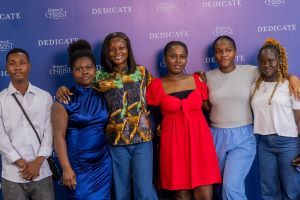
The Kumasi launch drew dozens of artists, creative entrepreneurs, and cultural organisations, many of whom described the AEPC project as a timely opportunity to revitalise the city’s artistic landscape and strengthen Ghana’s position in Africa’s creative economy.