In a bold move to accelerate rural infrastructure development, the District Road Improvement Programme (DRIP) has commenced a nationwide recruitment and training drive, with 4,460 new personnel being brought on board to boost road works at the district level.
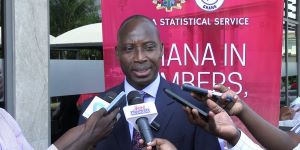
The National Coordinator of the programme, Edwin Nii Lante Vanderpuye, revealed during an interview on Citi FM’s Citi Breakfast Show on Friday, June 27, 2025, that the recruits—now stationed in all 261 districts—form a critical part of a decentralized strategy to address Ghana’s worsening road conditions.
Each district team comprises 17 staff members, including a coordinator and 16 equipment operators. According to Mr. Vanderpuye, many of the recruits are currently undergoing comprehensive, hands-on training to ensure the safe and effective use of machinery critical to road maintenance and construction.
“In the past, some operators lacked adequate training, which posed safety and efficiency risks. We are correcting that with proper technical capacity building,” he said.
He highlighted that orientation for regional coordinators is underway in Ada and will be followed by similar training for district coordinators. Meanwhile, operators across the country are being taken through practical sessions to master the technical demands of road machinery—including proper handling of tipper trucks and other heavy-duty equipment.
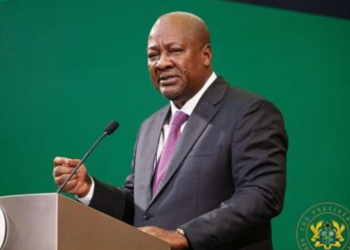
Mr. Vanderpuye also disclosed that President John Dramani Mahama has given assurance that all recruits will be formally integrated into the Local Government Service, ensuring their roles are secured within the district assemblies.
The DRIP initiative is part of a larger push by government to bridge infrastructure gaps in rural and underserved areas. By investing in human resource development alongside machinery deployment, the programme seeks to establish a sustainable model for long-term road maintenance and rural accessibility.
“This is not just a short-term intervention,” Mr. Vanderpuye emphasized. “We are laying the groundwork for permanent, locally driven solutions to our road challenges.”
With the machinery already being deployed and training in full swing, the DRIP team says Ghanaians can soon expect to see real, visible change—especially in communities that have long been disconnected due to poor road networks.