
















The International Monetary Fund (IMF) says the global economy has shown unexpected resilience despite facing multiple shocks, including geopolitical conflicts, inflationary pressures and uneven growth patterns across regions.
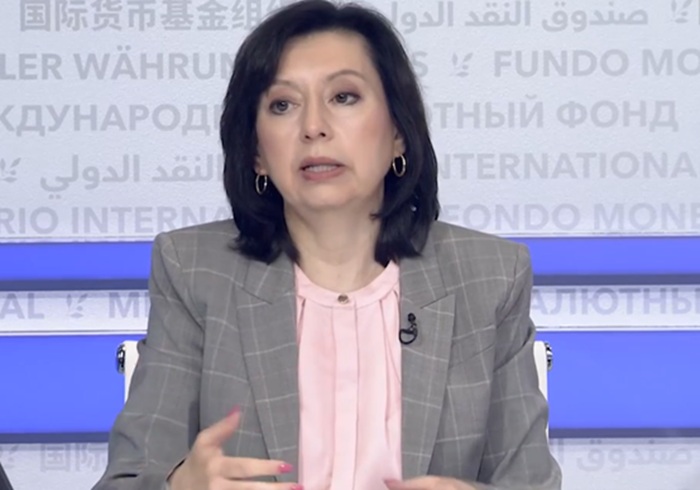
The Fund’s Director of Communications, **Julie Kozack**, said the world economy had managed to withstand significant disruptions in recent years, including the impact of the conflict in the Middle East, although uncertainty remains high.
Speaking at the IMF’s regular press briefing in Washington, DC, Ms Kozack said global economic activity had been supported by positive developments in technology investment, particularly the rapid growth of artificial intelligence (AI), which has boosted productivity in some economies.
“Overall, we’ve seen that the global economy has been resilient. It’s faced many shocks over the last several years and it has weathered the shock of the Middle East war as well,” she said.
She, however, cautioned that ongoing geopolitical tensions could continue to affect commodity markets, especially energy, food and fertiliser prices.
According to the IMF’s July 2026 **World Economic Outlook**, global economic growth is projected at **3 per cent in 2026** and **3.4 per cent in 2027**, with the forecasts remaining largely unchanged from earlier projections.
Ms Kozack explained that the outlook was based on assumptions including the reopening of the Strait of Hormuz in mid-July and an average oil price of **US$89 per barrel in 2026**.
### **Sub-Saharan Africa Faces Mixed Outlook**
For Sub-Saharan Africa, the IMF expects economic growth to slow slightly to **4.3 per cent in 2026**, compared with **4.5 per cent in 2025**, before recovering to **4.5 per cent in 2027**.
Ms Kozack said oil-exporting countries in the region could benefit from increased revenues and improved current account positions, but warned that vulnerable economies remain exposed to global commodity price shocks.
She noted that the region entered 2026 with stronger economic stability, including improved growth performance in 2025 and declining inflation levels.
However, she said the renewed pressures from global shocks, particularly increases in fuel, fertiliser and food prices, had affected many African economies.
“Many of the countries who were most vulnerable to that shock, the commodity price shock affecting fuel prices, fertiliser prices, ultimately food prices, were in Sub-Saharan Africa,” she said.
### **IMF Expands Support for Vulnerable Economies**
The IMF revealed that it had provided between **US$20 billion and US$50 billion** in financing support to help countries manage the economic effects of the Middle East conflict and related disruptions.
Ms Kozack said most vulnerable countries were already benefiting from IMF-supported programmes, with assistance being provided through policy guidance, economic frameworks and financial support.
She added that in some cases, the Fund had adjusted existing programmes through increased financing or changes to repayment and implementation timelines to respond to emerging challenges.
The IMF maintained that while risks to the global economy remain elevated, continued policy adjustments, investment and cooperation among countries would be critical to sustaining growth and stability.






