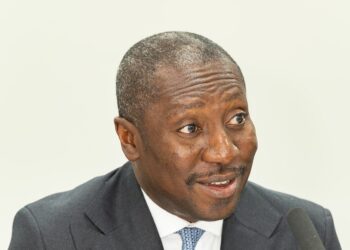
Supreme Court nominee Justice Senyo Dzamefe has raised red flags over what he describes as a critical vulnerability in Ghana’s judicial system—its financial dependence on the executive and legislature.
Speaking candidly during his vetting by Parliament’s Appointments Committee on Monday, June 16, Justice Dzamefe acknowledged that while the judiciary enjoys administrative and decisional independence on paper, its financial tethering to the national budget process poses a serious threat to its autonomy.
“Yes, we are independent administratively… but financially, we are not,” Justice Dzamefe told lawmakers. “When the budget comes to you [Parliament], you give what you think we need.”
His remarks cut to the heart of a long-standing issue within Ghana’s democratic framework—the gap between the constitutional promise of an independent judiciary and the budgetary mechanisms that leave it reliant on political discretion.
According to Justice Dzamefe, the current funding structure weakens the judiciary’s ability to operate independently and leaves it vulnerable to indirect pressure and interference. He argued that true judicial independence must go beyond legal protections and include full financial autonomy.
“A lot has to be done to ensure the judiciary does its work without any hindrances,” he emphasized.
Justice Dzamefe’s concerns echo broader calls from legal experts and civil society organizations for reforms that insulate the judiciary from political influence. Critics have long argued that as long as judicial funding remains subject to executive proposals and parliamentary approvals, the judiciary’s impartiality and strength as a check on power will remain compromised.
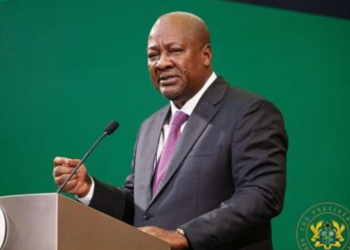
His comments come as part of his vetting process following his nomination—alongside six others—to the Supreme Court by President John Dramani Mahama in April. The appointments are taking place against the backdrop of rising public scrutiny of Ghana’s democratic institutions and calls for stronger guarantees of constitutional separation of powers.
As Parliament reviews the nominees, Justice Dzamefe’s remarks may prove a rallying point for advocates seeking deeper structural reforms to safeguard the judiciary’s role as an independent and equal arm of government.