Kenya’s political and emotional landscape was transformed on Friday as thousands of mourners filled Nairobi’s Nyayo National Stadium to bid farewell to former Prime Minister Raila Amolo Odinga, whose death has plunged the nation into deep mourning and reflection on his enduring political legacy.
Beyond the solemn military honors and the chants that echoed through the stadium, the day carried the weight of history. Odinga, who died in India on Wednesday at age 80 while receiving medical treatment, leaves behind a legacy intertwined with Kenya’s modern democratic struggle — a career defined by sacrifice, resilience, and a relentless fight against injustice.
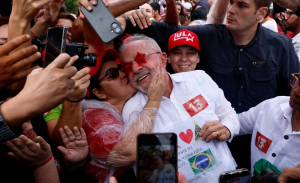
From dawn, crowds poured into the stadium waving national flags, holding portraits, and wearing T-shirts emblazoned with Odinga’s image and slogans. Their unified cry — “Raila usilale, bado mapambano” (“Raila, don’t sleep, the struggle is not over”) — captured both grief and determination, a symbolic reminder that his political ideals continue to inspire millions.
Security was heightened following Thursday’s chaotic scenes during the public viewing of the body, when police fired tear gas and live rounds to control surging crowds, leaving three people dead. Friday’s event, however, was marked by calm solemnity, as leaders from across Africa — including the presidents of Somalia and Ethiopia — joined Kenyans to honour one of the continent’s most resilient opposition figures.
Odinga’s widow, Ida Odinga, in a moving tribute, described her husband as a man who “hated dishonesty and greed — the very vices that corrode the fabric of our society.” Her words resonated with a crowd that viewed Odinga not merely as a politician, but as a moral compass in Kenya’s turbulent political journey.
Bishop David Kodia, who led the funeral service, praised Odinga’s humility, saying he “never used his political power or wealth to intimidate others.”
After lying in state in Parliament earlier in the day, Odinga’s body was escorted to the stadium in a ceremonial procession that drew tears and applause.
According to family plans, his body will be transported Saturday to Kisumu, the lakeside city that formed the heartbeat of his political movement, before burial on Sunday at his ancestral home in Bondo. The family said fulfilling Odinga’s wish to be laid to rest within 72 hours was their final act of honoring his simplicity and discipline.
A seven-day national mourning period has been declared, during which flags will fly at half-mast.
Though he never ascended to the presidency despite five attempts, Raila Odinga’s impact on Kenya’s democracy — as a symbol of resistance, reform, and reconciliation — remains undeniable. As Kenya bids him farewell, one message rings clear across the nation: his struggle may have ended, but his spirit continues to guide the fight for justice and unity.