The Minority in Parliament has raised concerns over the adequacy of the government’s GH¢5,000 reintegration package for Ghanaians evacuated from South Africa following renewed xenophobic attacks.
The Minority says the amount falls short of what is required to help returnees who lost businesses, employment and other sources of income in South Africa rebuild their livelihoods in Ghana.
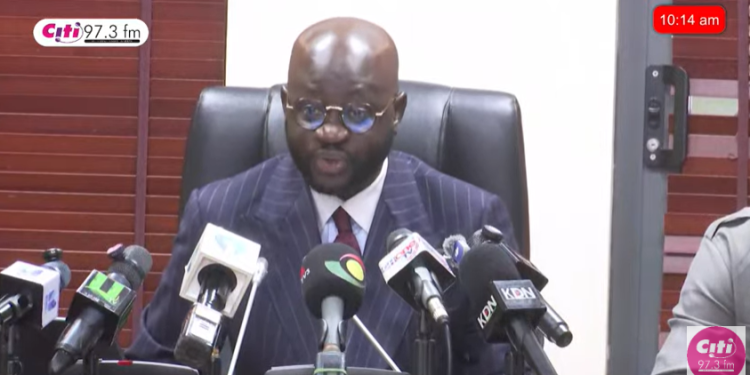
Deputy Ranking Member of Parliament’s Foreign Affairs Committee, Nana Asafo Adjei Ayeh, said the government’s support should take into account the economic circumstances of the affected returnees and the losses they suffered before being evacuated.
Addressing the press on Thursday, September 10, he questioned whether the GH¢5,000 package could provide meaningful assistance to returnees seeking to restart businesses they had established in South Africa.
“If somebody owned a restaurant, a boutique, a barbershop in South Africa and because of the xenophobic attacks he’s brought back home, you think GH¢5,000 reintegration is reintegration?” he asked.
Minority challenges rejection of MTN offer
Mr Ayeh also criticised the government’s decision to reject a GH¢20 million support package offered by MTN Ghana to assist the returnees.
He argued that the corporate support could have supplemented government assistance and provided additional resources for Ghanaians trying to re-establish themselves after returning home.
The Minority questioned the basis for rejecting the offer, particularly given the financial challenges confronting returnees who may have lost their livelihoods in South Africa.
Mr Ayeh further demanded to know whether the 1,964 Ghanaians evacuated from South Africa were consulted before the government declined the proposed MTN support.
The Minority’s concerns come as Parliament continues to seek greater clarity on the government’s handling of the evacuation exercise, including the expenditure incurred, the nature of assistance provided to returnees and measures being put in place to support their long-term reintegration.
The opposition side is consequently calling for greater transparency and a more comprehensive reintegration programme that goes beyond immediate financial relief to help affected Ghanaians restore sustainable livelihoods.