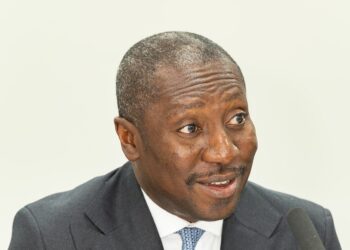
Fuel prices in Ghana are set to rise significantly in the next pricing window, the Chief Executive Officer of the Chamber of Oil Marketing Companies (OMCs), Dr. Riverson Oppong, has warned — urging industry players to act responsibly and avoid hoarding practices that could deepen consumer distress.
In an appearance on Channel One TV’s Face to Face programme on Tuesday, June 17, Dr. Oppong said the current marginal reduction at the pumps is temporary, largely driven by a government intervention suspending a GH¢1 tax component. Without that intervention, fuel prices would have surged by 9.5% this week alone.
“The only reason you’re seeing a slight drop this week is due to a temporary policy measure. If that GH¢1 had not been suspended, we would be in a different situation entirely,” he noted.
Dr. Oppong explained that international benchmark prices are steadily climbing, and any slight appreciation of the cedi is being offset, resulting in what he described as a “price standoff.” As a result, the recent price cut at the pumps barely reached 2%, disappointing many consumers who had hoped for more relief.
Looking ahead, he warned that the next pricing window could bring a sharp spike in fuel prices, prompting concerns that some Bulk Distribution Companies (BDCs) and Oil Marketing Companies may begin stockpiling fuel to maximize profits when prices rise.
“We are anticipating a significant jump in prices next week. That anticipation alone can cause hoarding by both BDCs and OMCs. I’m already engaging with the Chamber of Bulk Oil Distributors (CBOD) to curb this behaviour,” he said.
Hoarding, he warned, would not only exacerbate supply challenges but also hurt ordinary consumers already struggling with economic pressures.
“This is a time for responsible conduct. We are appealing to all players in the value chain to refrain from practices that would worsen the situation,” Dr. Oppong stressed.
His remarks highlight the ongoing vulnerability of Ghana’s fuel market to global oil price volatility and foreign exchange fluctuations. As the country braces for a potential hike, stakeholders are being called upon to prioritize stability and fairness in their operations.