Asantehene Otumfuo Osei Tutu II has issued a passionate call for Ghana to take bold steps toward agricultural self-sufficiency, warning that the country’s continued dependence on imported food items threatens its long-term economic stability.
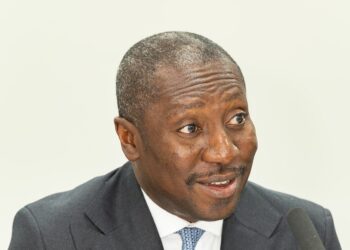
Speaking during a courtesy call by the Minister for Food and Agriculture, Eric Opoku, and his delegation at the Manhyia Palace on Friday, June 13, the Asantehene expressed concern over the alarming volume of food imports, particularly items like tomatoes and onions—products he said Ghana is more than capable of growing locally.
“It’s disheartening that we import basic foods like tomatoes and onions,” Otumfuo lamented. “You must work hard to reduce food importation. Even if it cannot be eliminated entirely, there must be a significant decline. We have the capacity to grow what we eat.”
He tasked the Agriculture Minister to ensure the provision of modern irrigation systems for farmers, stressing that such infrastructure is critical to boosting local production and making agriculture attractive, especially for the youth.
Otumfuo further encouraged the government to revive ambitious agricultural policies, suggesting the possible reintroduction of the “Operation Feed Yourself” campaign, which was a key initiative under the Acheampong regime aimed at enhancing national food security.
Beyond government efforts, the Asantehene called on chiefs and traditional leaders to play a proactive role by offering land as equity to support commercial farming initiatives. He argued that traditional authorities can become catalysts for an agricultural revolution by partnering with private investors and government agencies.
“I’m calling on my fellow chiefs to support this agenda by making lands available for farming. Agriculture is the backbone of our economy, and we must treat it as such,” he emphasized.
The meeting formed part of the Agriculture Minister’s working tour of the Ashanti Region, aimed at engaging stakeholders and assessing key challenges facing the sector.
Otumfuo’s remarks add to growing calls for Ghana to prioritize local production as a means to create jobs, strengthen food security, and reduce the country’s import bill—all of which are considered vital for sustainable national development.